


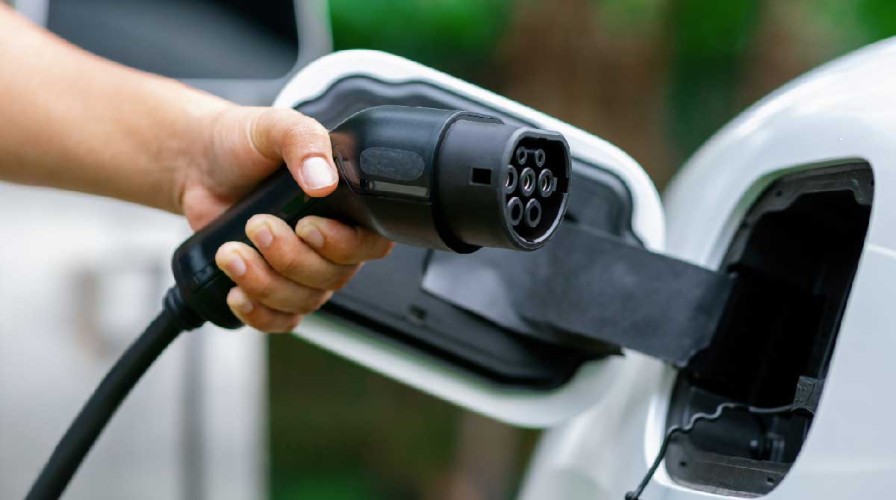
According to a new analysis released on 23 October, India is swiftly transitioning to sustainable mobility through a combination of hybrid, electric, and alternative fuel vehicles. The India Electric Mobility Council (IEMC), an e-mobility initiative of the India Energy Storage Alliance (IESA), released the statistics produced by the IESA under the title “Automotive Electrification in India Market Report”. India, the fourth-largest automaker in the world, is at a pivotal juncture in its automotive history.
The report emphasises that although petrol and diesel cars continue to rule the road, there is a significant push towards cleaner transportation. The nation is moving towards a more sustainable transportation future as a result of corporate investments, government policies, and growing consumer awareness. A number of states are setting the standard for the use of electric vehicles (EVs), including Tamil Nadu, Karnataka, Maharashtra, and Uttar Pradesh.
Over half of India’s total EV sales come from these states combined. By encouraging domestic EV production, enhancing charging infrastructure, and establishing specialised mobility clusters, they are actively aiding the shift. According to the IESA analysis, India’s multi-fuel, multi-pathway strategy makes its transition to cleaner transportation distinct. Compressed natural gas (CNG), hybrid, flex-fuel, and hydrogen-powered vehicles are becoming more and more popular in addition to battery-powered electric vehicles. Every one of these technologies contributes to lowering emissions and meeting various transportation requirements.
Automakers that create more zero- and low-emission vehicles will be rewarded under the government’s future Corporate Average Fuel Efficiency (CAFÉ 3) standards, which are scheduled to go into effect in April 2027. These standards create new incentives for battery-, hybrid-, and alternative fuel-powered vehicles, referred to as volume derogation factors. Policy support is essential for promoting this transformation and influencing consumer choices, according to IESA President Debmalya Sen. Depending on their infrastructure and market readiness, he continued, some states are moving gradually towards alternative fuels, while others are moving straight towards zero-emission automobiles.





Comments are closed