


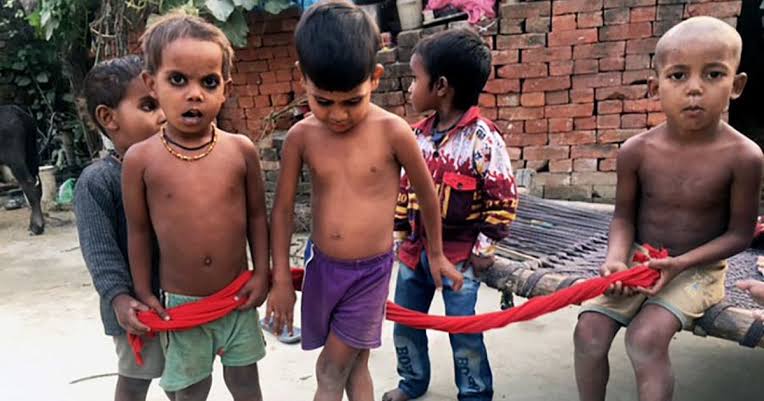
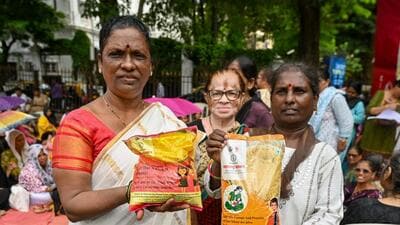
Anganwadi workers in Maharashtra have expressed serious concern over the quality of Take Home Ration (THR) distributed to children and pregnant women. According to the workers, many beneficiaries are unwilling to consume the food and are reportedly using it as animal feed instead.
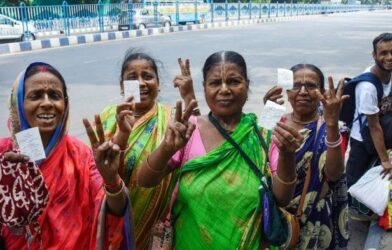
The issue was highlighted during a day-long protest organised by anganwadi workers from Mumbai district at Azad Maidan. Sangeeta Kamble, general secretary of the Anganwadi Employees’ Union (CITU Maharashtra), said the workers are responsible for children between six months and six years of age and also work to educate parents about the importance of nutritious food.
Workers alleged that the THR, which consists of nutritional powder and ready-to-cook premixes, has at times been found with contaminants such as rat droppings. They also complained about the excessive use of turmeric and the poor quality of ingredients. The workers claimed that nearly 80% of children and their parents throw away the food because they find its quality unacceptable.
The protest ended after representatives of the workers met VR Thakur, joint secretary of the women and child development department. Kamble said Thakur had assured them that the quality of the THR would be examined and that the incentives provided to anganwadi workers would be increased. HT’s attempts to contact Thakur for his response remained unanswered.
Dr Abhay Shukla, a public health expert and member of the Nutrition Rights Coalition, said concerns about the quality of the food have persisted for years. He said the Nutrition Rights Coalition, along with several NGOs, conducted its first review in seven tribal districts of Maharashtra in 2015.
According to Shukla, the assessment found that even after the powder and khichdi premix were cooked for about 25 minutes, the food remained unfit for consumption. He said nearly 90% of parents surveyed at the time reported using the supplied food as animal feed. A similar response was received from beneficiaries when the quality of the premix was examined again in 2025, he added.
Kamble said the issue has become particularly significant as Maharashtra is observing Nutrition Week. She alleged that the ready-to-cook khichdi mix contains oil before preparation, resulting in a stale smell that discourages young children from even tasting it. She also said pregnant women frequently avoid consuming the nutritional powder supplied to them.
Women’s self-help groups involved in supplying food to anganwadis in Mumbai also participated in the Azad Maidan protest. These groups are paid ₹8 per child per day to provide 50 grams of breakfast and 150 grams of a main meal. The breakfast menu includes items such as rajgira or kurmura ladoos, chivda and other food products.
Indutai Shinde, an activist associated with one of the self-help groups, said the payment is inadequate given the sharp increase in the cost of raw materials. She said the groups cannot provide nutritious meals within ₹8 per child and are seeking an increase in the amount to at least ₹24 per student.
The Maharashtra Consumer Federation is responsible for supplying provisions to anganwadi workers across the state. Workers receive a cooking allowance of just 65 parse per child, which is intended to cover expenses including vegetables and fuel. The workers said these payments are sometimes delayed for as long as six months.

Comments are closed