

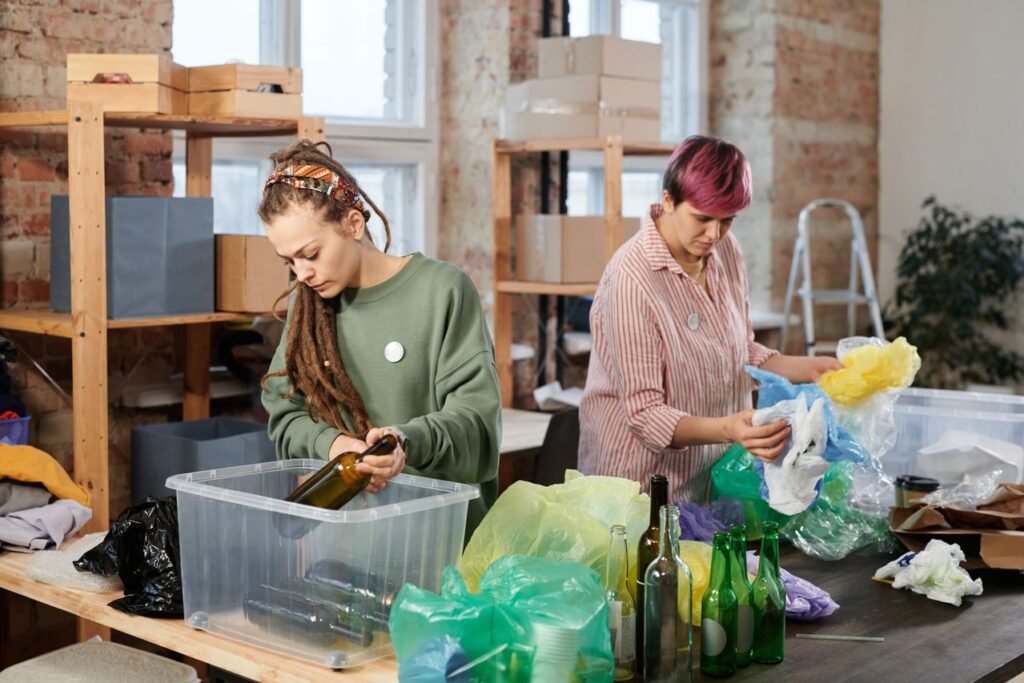
Creating sustainable livelihood opportunities often requires more than providing short-term support. Equipping communities with practical skills and connecting them to potential markets can help build pathways towards greater economic participation. Taking this approach, The Body Shop India, in partnership with Plastics for Change, has launched a 60-day skill development programme aimed at supporting women from waste-collector communities through tote-bag making and textile upcycling.
The initiative will provide participants with hands-on training in stitching, embroidery, design, finishing, quality control and product development. Using discarded textiles and waste cloth as raw materials, the programme aims to help women develop practical skills that could open up additional income-generating opportunities.

Beyond training, the initiative also places emphasis on creating market opportunities for the products made by participants. Plastics for Change is working to establish connections with institutional and bulk buyers, retail channels, exhibitions and corporate partners. Such linkages could help participants move beyond learning a craft to exploring opportunities to sell their products and generate income.
The programme builds on an existing partnership between The Body Shop and Plastics for Change, established in India in 2019 under the brand’s Community Fair Trade programme. The collaboration has focused on supporting waste-collector communities through the sourcing of recycled plastic for product packaging. The latest initiative extends this engagement beyond plastic recovery to include skill development and the productive reuse of discarded textiles.

By bringing together livelihood development and resource recovery, the programme also highlights how circular economy practices can create opportunities at the community level. Textile waste, which might otherwise be discarded, becomes the raw material for functional products, while women gain exposure to new skills and potential market channels.
The initiative reflects a broader approach to inclusive sustainability, where environmental responsibility is linked with community participation and economic opportunity. Its long-term impact will depend on how effectively the training translates into sustained product demand, regular sales and additional income for participating women.
Through this partnership, The Body Shop India and Plastics for Change are seeking to demonstrate how skill development, market access and waste reuse can work together to support more inclusive livelihood opportunities.



Comments are closed