


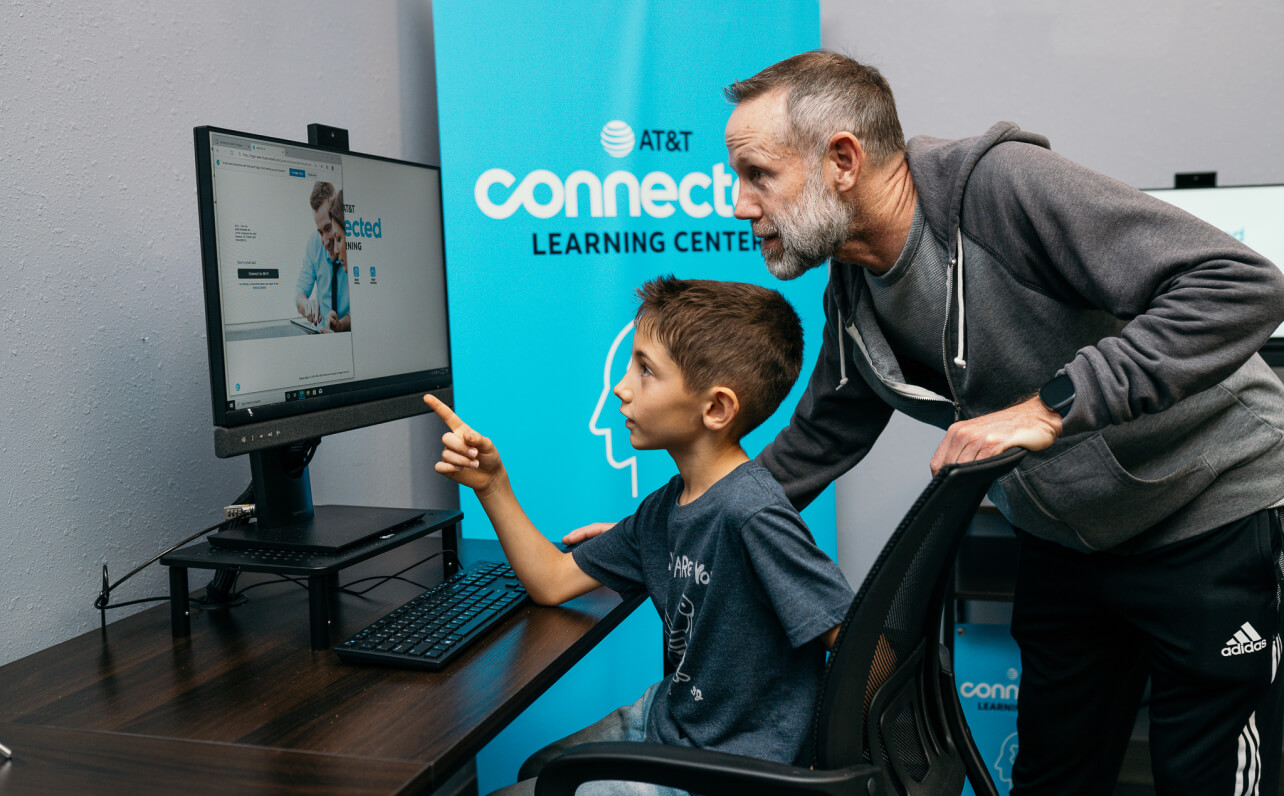
AT&T is increasingly leveraging digital learning initiatives as a central pillar of its corporate social responsibility (CSR) strategy, aiming to bridge the digital divide and expand access to education and technology. The company’s efforts focus on underserved communities, where limited connectivity and lack of digital skills often hinder educational and economic opportunities.
A key part of this strategy is AT&T’s long-term commitment to invest billions of dollars in improving digital inclusion. The company has pledged $5 billion by 2030 to help around 25 million people gain access to affordable high-speed internet and digital resources. This initiative highlights AT&T’s belief that connectivity and digital literacy are essential for participation in today’s economy.
To translate this vision into action, AT&T has launched multiple programs under its Connected Learning initiative. These include the establishment of Connected Learning Centers in underserved neighborhoods, where individuals can access free internet, computers, and training. By 2025, the company had already opened dozens of such centers, serving thousands of people with educational and employment-related resources.
In addition to physical infrastructure, AT&T emphasizes digital education through platforms like “The Achievery,” which provides interactive learning content for students. The platform has gained significant traction, attracting over 125,000 new users in a year and offering a wide range of lessons designed to simplify complex topics and improve engagement.
The company is also investing in partnerships with nonprofit organizations to extend its reach. Since 2023, AT&T has contributed over $1 million to programs such as Think Together, which promote digital access and safe technology use among students. These collaborations allow the company to scale its impact while addressing specific community needs.
Another important component of AT&T’s CSR approach is providing devices and connectivity solutions to those who lack them. The company has distributed thousands of computers and Wi-Fi hotspots to students and families, helping them stay connected for education and work. Such efforts are particularly crucial in closing the “homework gap,” where students struggle to complete assignments due to lack of internet access.
AT&T is also focusing on building digital skills across different age groups. Its programs include training for children, adults, and even senior citizens, ensuring that no segment of society is left behind in the digital transition. Workshops, online courses, and mentoring initiatives are designed to equip participants with essential skills such as internet navigation, online safety, and basic computing.
Furthermore, the company integrates emerging technologies like artificial intelligence into its learning modules, preparing users for future job markets. By offering AI-focused educational content and training sessions, AT&T aims to make advanced skills more accessible and relevant.
Overall, AT&T’s digital learning push reflects a broader shift in CSR from traditional philanthropy to sustainable, impact-driven initiatives. By combining infrastructure, education, and partnerships, the company is working to create long-term social value. Its approach demonstrates that empowering communities with digital tools and skills can play a crucial role in reducing inequality and fostering inclusive growth.








Comments are closed