

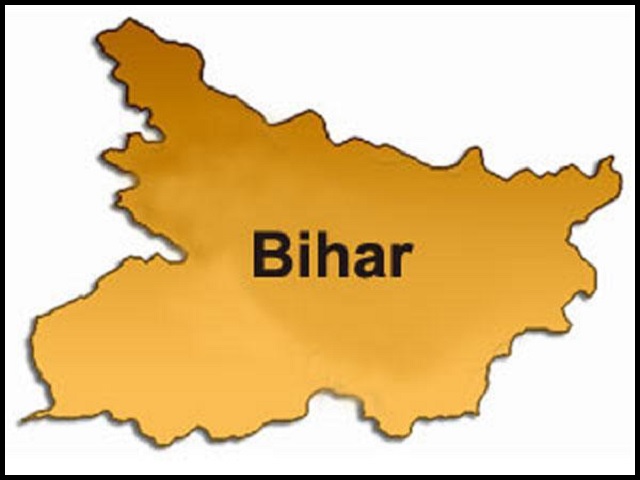
The Government of Bihar has formally launched a real-time CSR Portal, a digital platform that enables corporations, non-governmental organisations, and the general public to track CSR fund inflows and project outcomes throughout the state. This is a groundbreaking step meant to promote transparency, trust, and targeted impact in CSR. The portal, which was introduced by Bihar Deputy Chief Minister Samrat Choudhary, is expected to be a powerful instrument for raising 5,000 crore in CSR funds in the coming years and provide a common forum for cooperation between the public sector, private sector, and civil society in tackling development issues. The site provides real-time access to CSR initiatives, fund utilisation status, partner details, regions covered, and sectoral focus areas.
It was created with assistance from the Department of Industries, Government of Bihar. It is intended to serve as both a digital repository and a cooperative matching mechanism, linking businesses with reliable non-governmental organisations and district-level requirements. Speaking at the occasion, Deputy Chief Minister Choudhary underlined the government’s dedication to working with the business sector to build an environment that supports sustainable growth. He declared, “This portal reflects our resolve to ensure that corporate contributions are in line with the state’s socio-economic priorities and to bring transparency and accountability to CSR investments.”
It is anticipated that the platform will serve as a “single-window CSR gateway”, expediting impact tracking, reporting, approvals, and proposals. The state is actively working to redefine itself as a hub for inclusive growth and responsible investment, which coincides with the introduction of the Bihar CSR portal. Bihar has typically gotten lesser CSR budgets than industrialised states, despite its enormous development potential. This is mainly because of perceived difficulties with implementation, monitoring, and visibility. Although Bihar is home to more than 8% of India’s population and has multifaceted poverty, malnutrition, unemployment, and infrastructural deficiencies, it received less than 1.5% of the nation’s overall CSR spending in FY 2022–2023, according to India CSR.
The state hopes to end this cycle of low trust and underinvestment by providing corporate donors with value alignment, visibility, and verifiability through the creation of an open, real-time portal. By enabling grassroots NGOs, particularly those functioning in isolated and underprivileged areas, the platform is also anticipated to democratise access to CSR monies. One of the most urgent issues in the CSR ecosystem is the lack of visibility for reliable, regional NGOs, which the portal solves by guaranteeing equitable access to project listings, proposal templates, and donor information. In a state like Bihar, where civil society has long been essential in providing economic, health, and education initiatives in areas with little resources, this open-access concept is especially significant.




Comments are closed