


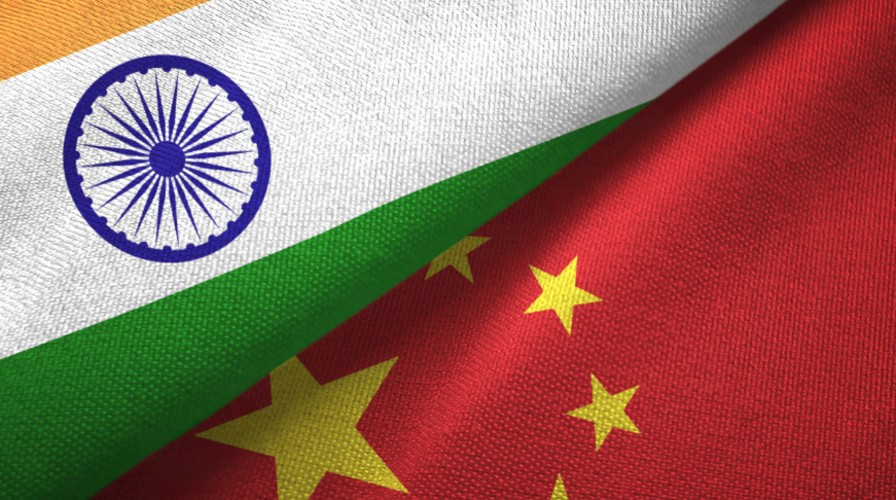
China has complained to the World Trade Organisation (WTO) about New Delhi’s subsidies for batteries and electric cars (EVs).
According to the Chinese Commerce Ministry, India’s actions amount to import substitution subsidies, which are expressly forbidden by the multilateral trade rules, and breach several WTO commitments, including the principle of national treatment.
According to the ministry’s statement, these policies unfairly support India’s local sectors while undermining China’s legitimate interests. Beijing wants to increase its exports of electric vehicles to India, which is why it is complaining about India’s alleged EV subsidies. Following a five-year halt in relations because of the Eastern Ladakh military stalemate, the two nations took the initiative to normalise relations. Chinese EV automakers view India as a significant source to increase sales given the size and reach of the Indian vehicle market.
Chinese hybrid car manufacturers like BYD are reportedly searching for foreign markets, particularly in the EU and Asia, due to overcapacity with huge EV manufacturing and dwindling domestic sales and profitability amid price wars.
In response to a question regarding the matter, Commerce Secretary Rajesh Agrawal stated that the ministry would review China’s comprehensive submissions.
According to an official, China has also submitted comparable claims against the EU, Canada, and Turkey. The EU may ask the WTO to form a panel to decide on the matter if the sought negotiations with India fail to provide a suitable resolution.
China is India’s second-biggest trading partner. India’s exports to China fell 14.5% to USD 14.25 billion in the most recent fiscal year, compared to USD 16.66 billion in 2023–2024. However, compared to USD 101.73 billion in 2023–2024, imports increased by 11.52 per cent to USD 113.45 billion in 2024–2025. In 2024–2025, India’s trade deficit with China increased to USD 99.2 billion.
In the first eight months of this year, China’s 50-odd EV manufacturers exported 2.01 million pure electric and plug-in hybrid vehicles abroad, rising 51% over the same time the previous year, according to figures from the China Passenger Car Association (CPCA).
However, because the EU has placed a 27% tariff on Chinese EVs to restrict their sales within the bloc, Chinese EV manufacturers are experiencing pressure from overseas. To increase local EV manufacture, the Indian government has implemented a number of policies, including the production-linked incentive programme and the electric vehicle policy.







Comments are closed