

As India continues to focus on education as a driver of inclusive growth, the gap in infrastructure across government and community schools remains a pressing concern. Many institutions still lack basic facilities and modern tools, which directly affects both student attendance and learning outcomes. Against this backdrop, corporate social responsibility (CSR) initiatives are playing a key role in strengthening educational ecosystems and improving access to quality learning environments.
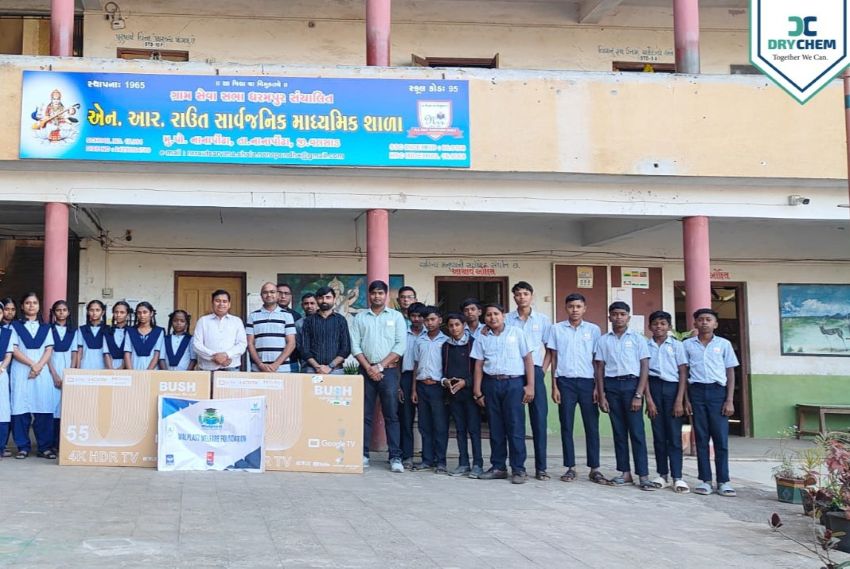
Drychem India Pvt. Ltd. has positioned education at the core of its CSR strategy, viewing it not as a one-time intervention but as a long-term commitment to nation-building. The company has undertaken a large-scale initiative to upgrade infrastructure in more than 100 schools across multiple states. This effort is designed to create sustainable improvements that benefit students, teachers, and local communities over time.
The initiative follows a need-based and region-specific approach. Areas were selected based on both the company’s operational presence and the severity of infrastructure gaps. By working closely with local authorities, grassroots organizations, and school administrations, Drychem ensured that the interventions addressed real challenges faced by schools, particularly in rural and tribal regions.
A wide range of upgrades has been implemented to enhance the overall learning environment. These include essential facilities such as classroom furniture, writing boards, sanitation systems, lighting, and access to safe drinking water. In addition, schools have been equipped with digital tools like computers, printers, and audio-visual systems to support modern teaching methods and bridge the digital divide.
Beyond physical infrastructure, the initiative also emphasizes usability and long-term impact. Drychem works with teachers and school staff to ensure that the newly introduced resources are effectively integrated into everyday teaching practices. Regular monitoring, feedback mechanisms, and follow-ups help maintain accountability and ensure that these improvements lead to measurable outcomes such as better attendance, increased student participation, and enhanced learning levels.
Implementing such programs in remote areas comes with its own set of challenges, including limited accessibility and lack of local resources for maintenance. To address these issues, the company has adopted a localized approach, engaging community leaders, gram panchayats, and other stakeholders. This collaborative model not only ensures smoother execution but also fosters community ownership, which is critical for the sustainability of the initiative.
Partnerships play a central role in the success of the program. By aligning efforts with local governance systems and community institutions, Drychem ensures that its interventions are relevant, scalable, and sustainable. This collaborative ecosystem helps maximize the impact of CSR investments and creates a foundation for long-term development.
Through this initiative, Drychem India demonstrates how strategic CSR can move beyond short-term contributions to build enduring educational ecosystems. By addressing both basic and evolving needs, the company is contributing to a more equitable and effective education system, ultimately supporting broader goals of community empowerment and inclusive growth.






Comments are closed