


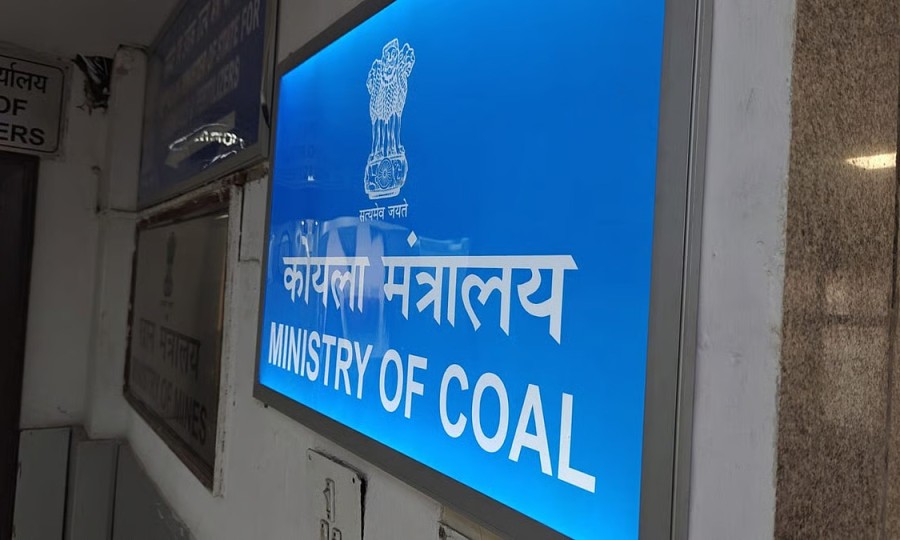
Today at the SCOPE Complex in New Delhi, the Ministry of Coal held a stakeholder consultation to discuss the CSR framework for Indian coal companies. The consultation was attended by senior officials from the Ministry of Coal, as well as representatives from private coal companies, Coal India Limited, NLC India Limited, and Singareni Collieries Company Limited. Coal PSUs’ CSR plans have been developed in accordance with the Department of Public Enterprises’ (DPE) standards, the Companies Act of 2013, and the Companies (CSR Policy) Rules of 2014.
Coal PSUs have made outstanding strides over the years in a variety of fields, including sports, education, the environment, sanitation, and health. A sector-specific CSR framework for coal companies has been felt to be necessary given the increasing number of private players in the industry. This framework would serve as a guide to encourage sustainable and responsible practices, lessen the impact on the environment, and improve stakeholder engagement among both public and private coal companies.
Rupinder Brar, Additional Secretary, Ministry of Coal, spoke to the participants and encouraged the coal businesses to quantify their CSR, sustainability, and welfare initiatives in order to receive green credits. This would benefit the community as well as the business. She underlined the significanceorganising CSR projects. Brar emphasised the significance of enlisting reliable organisations to conduct impact and need assessments in order to offer comprehensive analysis and practical insights for implementing and completing effective CSR initiatives. Additionally, she urged the coal businesses to work together and pool their resources and expertise.
In order to raise awareness of the excellent job being done, she advised the coal companies to step up their outreach initiatives. The effort was well received by the coal PSUs and private sector businesses, who also made substantial contributions to important framework components. They also discussed their experiences with community involvement, significant CSR projects, and impact assessment lessons.
Community benefit should be the ultimate goal, and genuine interaction with local communities to understand their needs and goals must be the main focus of the discussions. It’s also critical to include best practices and guarantee accountability and openness in CSR reporting and execution. For thorough sustainability reporting, the framework should aprogrammes based on local needs.






Comments are closed