

Nippon Electric Glass Co., Ltd. said that it will use an all-electric melting furnace to start producing pharmaceutical-grade glass tubing in large quantities for the first time in history, revolutionising the manufacturing of vital medical packaging.
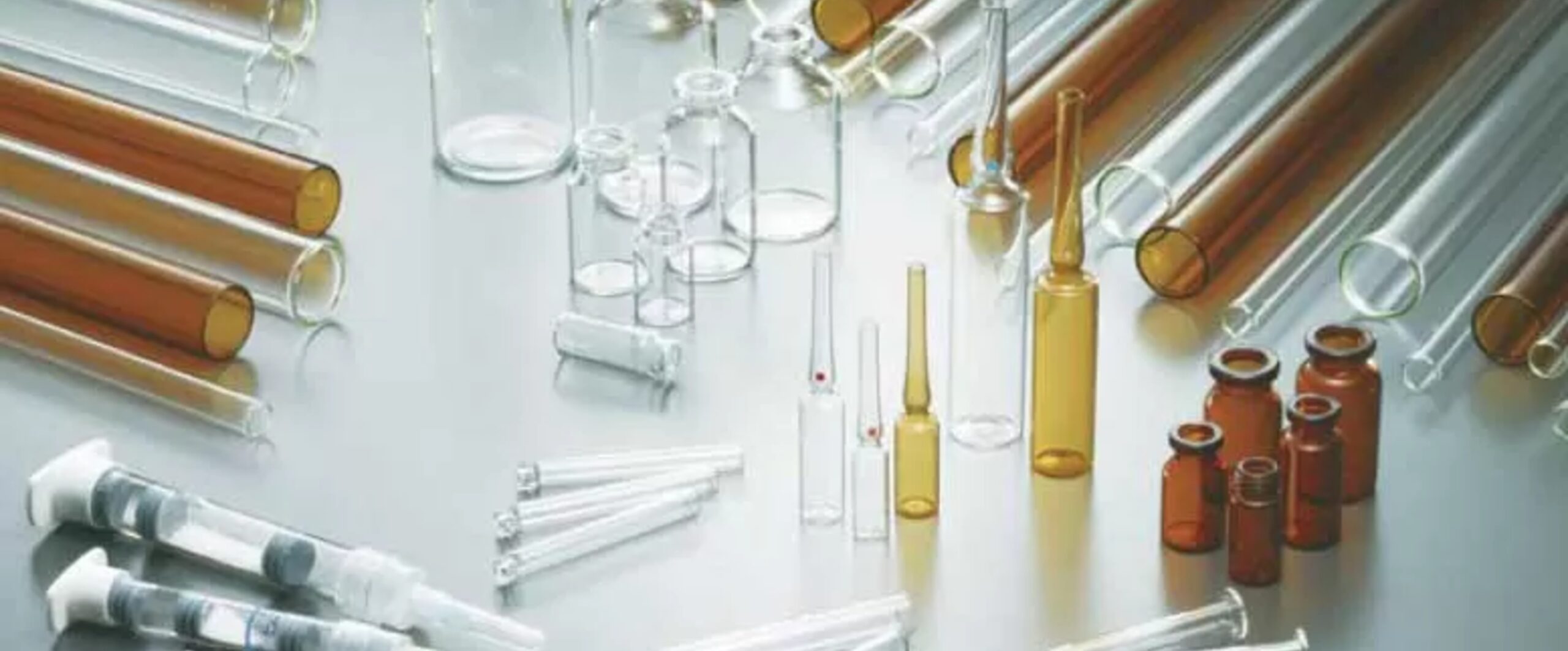
Primary drug containers that safely store and distribute injectable medications, such as vials, ampoules, prefilled syringes, and cartridges, are made from pharmaceutical-grade glass tubing.
According to the Japanese speciality glass manufacturer, its facility in Selangor, Malaysia, will begin commercial production in December 2025. The project significantly lowers emissions from the glass manufacturing process by combining renewable energy with an all-electric melting process.
When compared to traditional fossil-fuel furnaces, the new production process can reduce carbon dioxide emissions by up to 90%, according to NEG. As a result, the business strives to satisfy growing sustainability requirements from global authorities and pharmaceutical businesses. Conventional glass melting uses fossil fuels, which produce a lot of waste heat and carbon dioxide. On the other hand, glass is directly heated by electricity in NEG’s all-electric furnace.
According to the company, electricity is applied through submerged electrodes using its exclusive NEG Electric Melting Technology. This method removes pollutants from burning and increases energy efficiency. It also fulfils the exacting quality criteria needed for glass of pharmaceutical grade.
As a result, the new model signifies a structural shift in the manufacturing of pharmaceutical glass. It substitutes a method intended to reduce industrial environmental effects for fuel-based combustion.
According to NEG, the Selangor factory will be the first in the world to use this technology for producing medicinal glass tubing in large quantities. For usage in medical containers, NEG is a worldwide provider of borosilicate glass tubing free of arsenic. These consist of cartridges, pre-filled syringes, ampoules, and vials.
As the use of biopharmaceuticals grows worldwide, so does the demand for such containers. The business specifically emphasised the expansion of GLP-1 medication formulations for the treatment of diabetes and obesity.
According to NEG, the markets for GLP-1 formulations are expanding at a rate of roughly 33% each year. Demand is still increasing throughout Europe and North America. Growth is also being aided by emerging markets like China and India.
Pharmaceutical firms consequently need large quantities of dependable packaging. They are also under pressure to lower emissions throughout their supply networks.
According to NEG, the new low-emission production platform puts it in a position to meet both demands. It can produce high-performance glass while cutting its carbon impact considerably. Nippon Electric Glass’s vice president, Masamori Wada, stated that the project is a significant turning point for both the business and the pharmaceutical sector.
“It is a significant milestone to launch the first mass production line for pharmaceutical glass tubing in the world using an all-electric furnace,” Wada said in a statement. “We see this as a tangible step towards pharmaceutical supply chains that are carbon neutral.”
Customers can choose goods from the new line that satisfy environmental and performance standards, he noted.
Regulators and pharmaceutical companies are expecting quantifiable reductions in production emissions, according to NEG. As a result, the business sees the manufacturing of low-carbon glass as a competitive requirement rather than a speciality product.



Comments are closed