


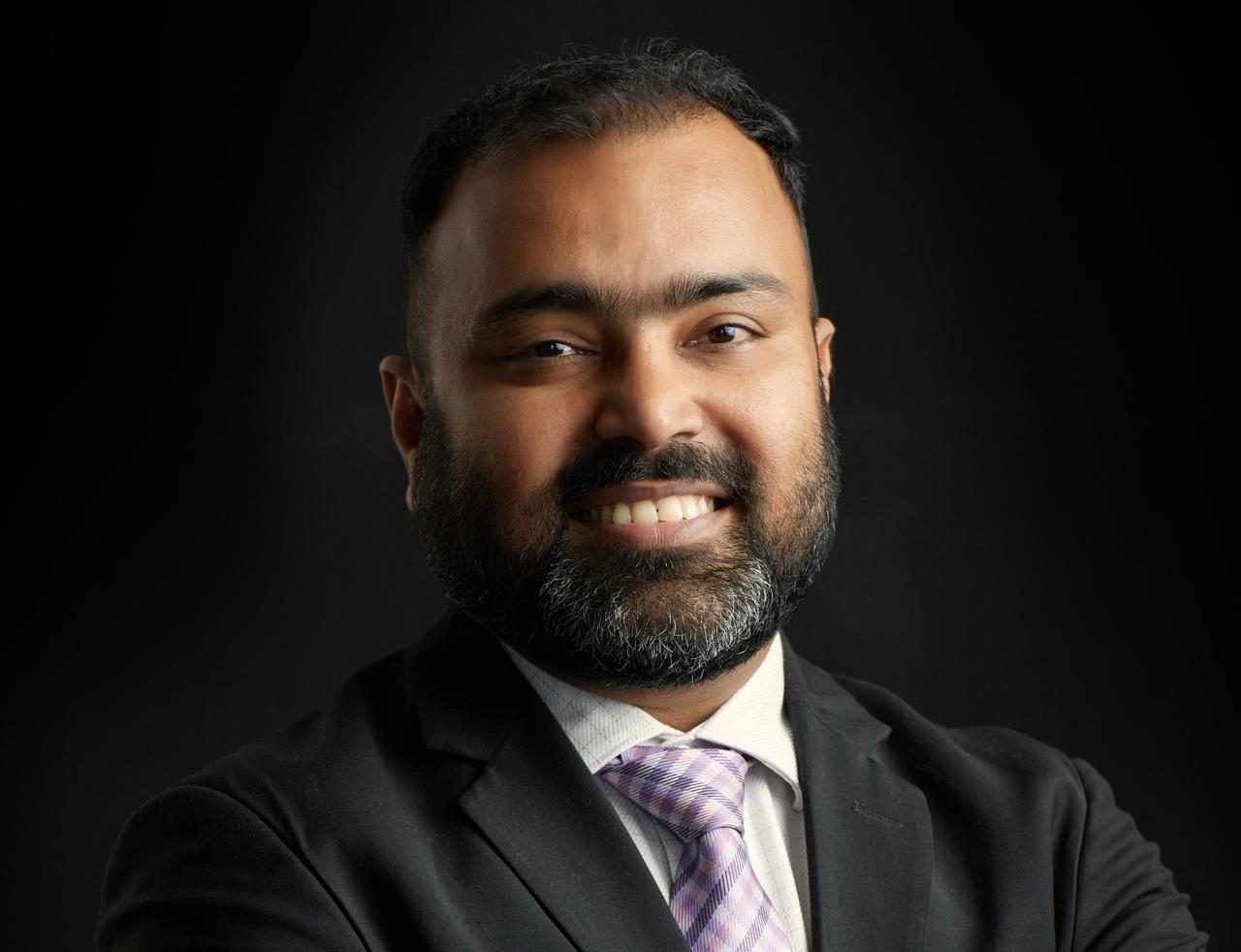
Palladium India’s 20-year journey has been defined by creating sustainable development through innovative financing, stronger institutions, and measurable impact. The organisation has strengthened over 800 Farmer Producer Organisations, supported 1.5 million farmers, empowered more than 19,000 entrepreneurs, improved connectivity across 6,700 villages, and enhanced disaster resilience and road safety. Guided by its “Positive Impact” philosophy, Palladium focuses on building local capacity and ensuring long-term outcomes beyond project completion. Read on as Mr. Amit Patjoshi, CEO, Palladium India, shares his insights on the organisation’s two-decade journey, the evolving development landscape, and the road ahead for inclusive growth in India.
As Palladium India marks two decades of operations, what would you consider the defining milestones that have shaped the organisation’s journey and legacy in the country?
Over the last 20 years, Palladium India has focused on one objective: turning ambitious development goals into lasting systems and measurable outcomes. We have helped pioneer innovative financing models such as India’s first healthcare-focused Social Impact Bond and supported the Municipal Bond. We have strengthened more than 800 Farmer Producer Organisations with over 1.5 million farmers, supported more than 19,000 nano and micro entrepreneurs, connected more than 6,700 villages to urban centers, trained more than 12,000 first responders to strengthen road safety, built resilience of 1.5 million people against disasters. But our legacy is not defined by individual projects or impact numbers. It is defined by stronger institutions, more resilient communities, and solutions that continue delivering impact long after programmes end. For us, success is not what we build during a project, it is what continues to work after the project is over.
Palladium globally champions the idea of “Positive Impact.” What does this philosophy mean in practical terms, and how does it influence the way your teams design and deliver development
Positive Impact means creating change that lasts. At Palladium, we don’t measure success by activities completed; we measure it by outcomes sustained. Whether we are supporting climate resilience, livelihoods, entrepreneurship, or governance reforms, our focus is on strengthening systems, building local capacity, and ensuring solutions remain effective long after external support ends. This is why we work closely with governments, communities, businesses, and investors. Lasting development happens when solutions are locally owned, financially viable, and scalable. Our approach is simple: deliver results today while building the capability to sustain them tomorrow.
India’s development landscape is undergoing rapid transformation, driven by technology, climate concerns, and demographic shifts. Where do you see the biggest opportunities—and the greatest challenges—for impact consulting today?
India is witnessing one of the most transformative periods in its development journey. The greatest opportunity lies in convergence. Digital infrastructure, innovation, and a young workforce give India an unprecedented opportunity to improve lives and accelerate economic growth at scale. At the same time, climate resilience is becoming a core development and economic priority. The challenge is ensuring these benefits reach everyone—particularly women, smallholder farmers, and vulnerable communities. If inclusion does not keep pace with innovation, inequalities can widen. The role of impact consulting has therefore evolved significantly. Today, governments and institutions are looking for partners who can help shape strategy, design solutions, mobilize stakeholders, and support implementation on the ground. The focus is no longer just on providing recommendations; it is on ensuring that ideas translate into measurable outcomes. At its best, impact consulting serves as a bridge between policy and practice, bringing together evidence, innovation, financing, partnerships, and delivery capability to help solve complex development challenges. The future belongs to organiations that can combine vision, design, and execution to create impact at scale.
Palladium works extensively across rural development, livelihoods, agriculture, health, and governance. Which of these sectors do you believe will have the greatest transformative potential for India over the coming decade, and why?
While each of these sectors plays a critical role, I believe the greatest transformative potential over the coming decade lies in livelihoods and economic inclusion. At its core, the vision of Viksit Bharat 2047 is about creating a prosperous, inclusive, and resilient economy where growth translates into better opportunities and improved quality of life for every citizen. Achieving that vision will depend on our ability to create sustainable livelihoods at scale. For India, this means modernising agriculture, strengthening rural enterprises, expanding market access, building future-ready skills, and creating opportunities for entrepreneurship. It also means ensuring that women, youth, and underserved communities are active participants in economic growth, not merely beneficiaries of it. What makes livelihoods particularly powerful is their multiplier effect. When incomes rise, families invest more in health, education, nutrition, and productivity. Communities become more resilient, local economies become stronger, and development gains become self-sustaining. However, livelihoods cannot be viewed in isolation. Their success depends on effective governance, climate resilience, access to healthcare, quality infrastructure, and strong institutions. The real opportunity lies in bringing these sectors together to create pathways for inclusive growth. If the first phase of India’s development journey was about expanding access, the next phase must be about expanding economic opportunity. That is what will ultimately define the success of Viksit Bharat.
Women’s economic participation is increasingly recognised as a driver of inclusive growth. How does Palladium integrate gender equity and women’s leadership into the design and implementation of its programmes?
Women’s economic empowerment is not just a gender issue—it is one of India’s biggest economic opportunities. As India moves towards Viksit Bharat 2047, our ability to sustain high growth will depend on how effectively we bring women into the mainstream of economic activity – as entrepreneurs, producers, innovators, leaders, and job creators. No country has achieved transformational growth by leaving half its population behind. At Palladium, we therefore approach gender inclusion not as a welfare agenda, but as a growth agenda. Across our programs, we consciously design interventions that improve women’s access to skills, finance, markets, technology, and leadership opportunities. The objective is not merely participation, but economic agency and decision-making power. What we have learned is simple: when women succeed, economies grow faster, communities become more resilient, and development outcomes improve across generations. The countries that will lead the 21st century will be those that fully leverage the talent of their women. And India’s growth story will be no different.
India’s ambition to achieve the Sustainable Development Goals (SDGs) requires coordinated action across sectors. Where do you believe the private sector can make the most meaningful contribution?
The scale of India’s development ambitions require far greater collaboration across public, private, and social sectors. Achieving the SDGs cannot be the responsibility of governments alone. The private sector’s greatest contribution lies in its ability to bring innovation, investment, operational excellence, technology, and scale. Businesses are uniquely positioned to accelerate progress in critical areas such as climate resilience, agriculture, skilling, healthcare, infrastructure, financial inclusion, and digital transformation. They can mobilise resources and capabilities that complement public investment and strengthen development outcomes. Importantly, the most meaningful contribution comes when sustainability and inclusion are embedded within core business strategies rather than treated as standalone corporate responsibility initiatives. We are also witnessing increasing momentum around blended finance, impact investing, and outcome-based financing models. These approaches are helping align commercial capital with measurable social outcomes, unlocking new resources for development while ensuring accountability and efficiency. The future of development will be defined by partnerships. The organisations that create the greatest impact will be those that successfully combine public purpose with private-sector innovation and execution.
Finally, as Palladium India celebrates its 20-year milestone, what is your vision for the next decade, and what legacy do you hope the organisation will create for India’s development journey?
India’s aspirations are larger than ever before. The goal is not only to become a developed economy but to build a nation that is prosperous, inclusive, resilient, sustainable, and globally competitive. Achieving this transformation will require institutions capable of bridging policy and implementation, innovation and execution, vision and measurable outcomes. At Palladium India, we see ourselves as an enabler of this next chapter of nation-building. Over the coming decade, we will continue working with governments, businesses, investors, and communities to address some of the country’s most complex challenges—from strengthening livelihoods and agricultural competitiveness to building climate resilience, improving urban systems, advancing sustainable infrastructure, and enabling inclusive economic growth. Our approach will remain anchored in three priorities: scale, innovation, and impact. We will continue leveraging technology, data, innovative financing, and partnerships to help accelerate development outcomes while ensuring that progress reaches those who need it most. Looking ahead to 2047, I hope Palladium India will be recognised not simply for the projects we delivered, but for the role we played in helping build stronger institutions, more resilient communities, more competitive cities, more prosperous rural economies, and greater opportunities for women and young people. If we can help demonstrate that transformative change is possible when bold ambition is matched by effective execution, collaborative partnerships, and a relentless focus on outcomes, then we will have made a meaningful contribution to India’s development journey and to the vision of Viksit Bharat.


Comments are closed