


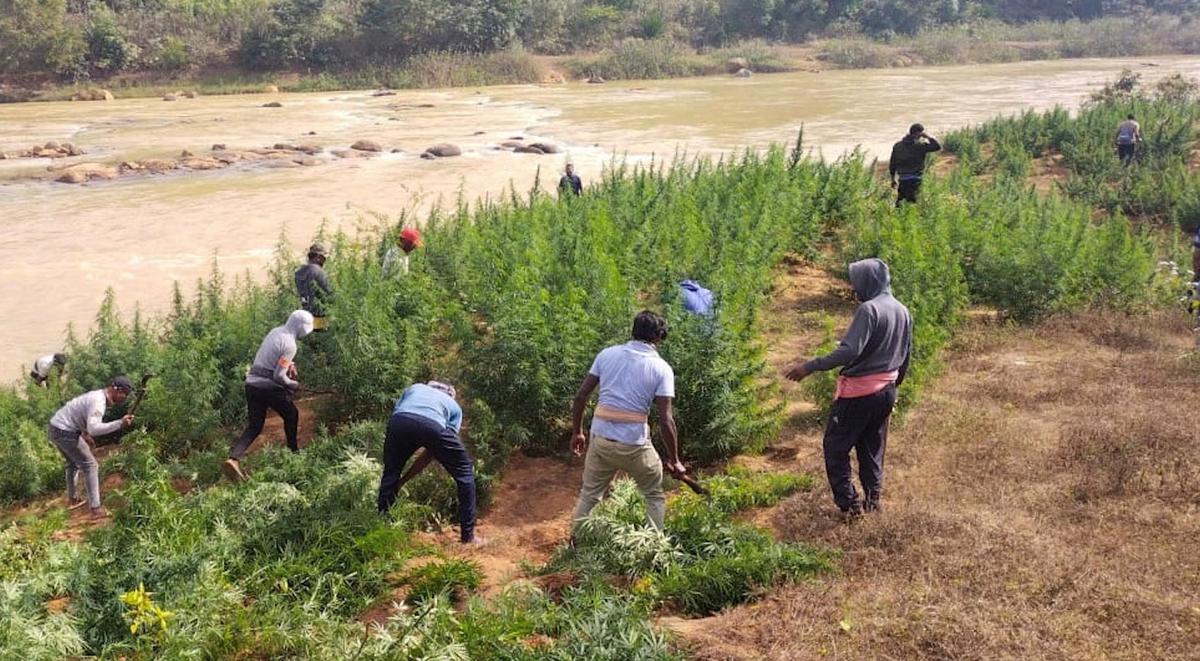
Equilibrium and RPG Group’s carbon credit business, Asvata Climate Solutions, have partnered strategically to grow a regenerative agriculture project in Andhra Pradesh. 10,000 smallholder farmers will directly profit from the programme, which is now being implemented in the districts of Srikakulam and Vizianagaram. It will also have an influence on over 40,000 livelihoods in the area.
Approximately $2 million will be invested jointly, with RPG Group contributing $1.6 million towards the restoration of 8,000 hectares of farmland. An estimated 30,000 tonnes of CO₂ equivalent are to be sequestered each year by the project. By 2027, expansion plans aim to cover 25,000 hectares.
“Building scalable climate solutions that deliver measurable impact to benefit the planet, people, and businesses is our core promise at Asvata Climate Solutions,” stated Navin Mathur, COO. “Our investment, in conjunction with Equilibrium, aims to promote climate-smart agriculture and foster long-term, inclusive resilience.”
“At Equilibrium, we design every intervention to reflect the realities of local landscapes,” stated Siddhanth Jayaram, the company’s founder. “Our project has assisted Andhra Pradesh in addressing water stress, enhancing soil health, and increasing crop yields, ensuring that the shift to climate-smart agriculture is sustained over many years. The calibre and effectiveness of our activities are strengthened by our collaboration with Asvata. Together, we are eager to develop and scale solutions that can serve as role models for global south climate leadership.Asvata Climate Solutions will provide strategic direction under the agreement, while Equilibrium will oversee implementation on the ground. To facilitate large-scale implementation, the project employs a mixed finance approach that combines commercial investment, catalytic funding, and philanthropic backing.”
Equilibrium’s in-house digital MRV (D-MRV) platform will be used for monitoring and verification, providing real-time tracking of indicators like carbon sequestration, water savings, and improved soil quality. Targeting regions that normally receive little traditional funding, USAID’s Water and Energy for Food programme and Equilibrium contributed the project’s early-stage risk capital. The development of strong data systems, farmer training, and community mobilisation were the goals of this investment.






Comments are closed