


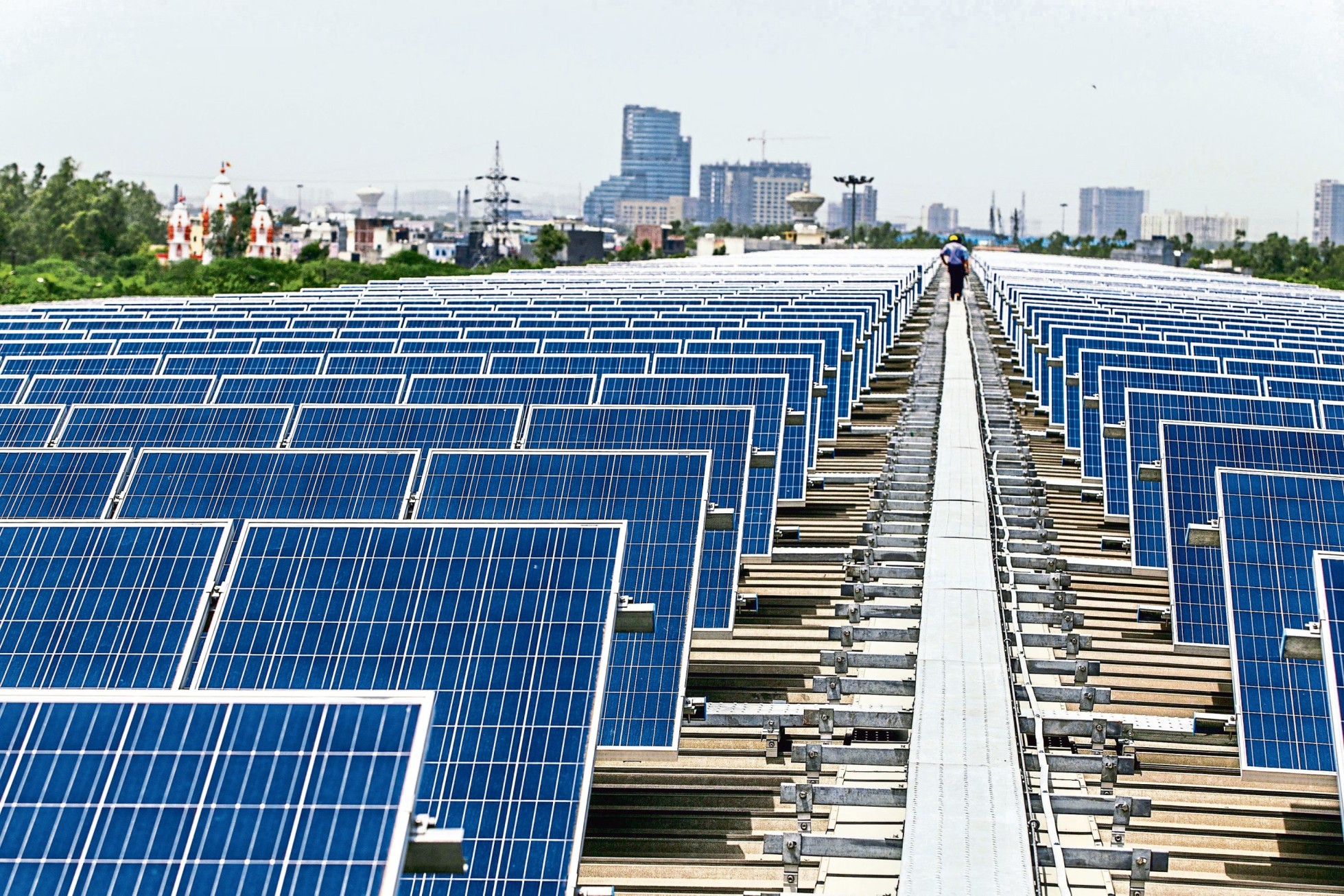
Industry officials and analysts predict that when domestic project bidding slows down next year, high US tariffs and possible anti-dumping penalties on Indian solar panel exports will make the country’s supply glut worse. They claimed that US President Donald Trump’s 50% tariffs on shipments from India would stifle panel sales to the country’s largest foreign market, which represents 90% of module exports.
After US solar companies petitioned the Commerce Department on July 17 for tariffs on imports from India, Indonesia, and Laos, the situation might worsen if anti-dumping duties are placed on some producers. According to Raj Prabhu, CEO of sustainable energy consultant Mercom Capital, “The 50% tariff will squeeze margins, and potential anti-dumping duties will make competing in the US even tougher.”
A consultant to the federal power ministry advised renewable developers to bid cautiously in accordance with demand growth estimates, which caused India’s awards of solar energy projects and fresh tenders to drastically decrease in the quarter ending in June. Experts pointed out that Indian producers would have to either look for other markets or source domestically if anti-dumping penalties were implemented. It will be hard to find new markets.
According to Mercom data, Indian solar modules with Chinese cells cost 48% more than those made in China, while those with Indian cells cost about 143% more. According to energy think-tank Ember, India has profited from an 82% drop in Chinese cell pricing since late 2022 and has gradually increased module shipments.
Businesses like Waaree and Adani have seen an increase in profitable US exports as a result of the push for local solar module manufacturing. However, it has also increased the cost of solar generation, which is then transferred to electricity retailers who are heavily indebted. According to Fei Chen, an expert at consulting firm Rystad Energy, India intends to require domestic cell use starting in June 2026, even though they are more than three times more expensive than their Chinese counterparts. According to analysts, the action might lead to a rise in Chinese imports prior to the regulations going into effect.








Comments are closed