


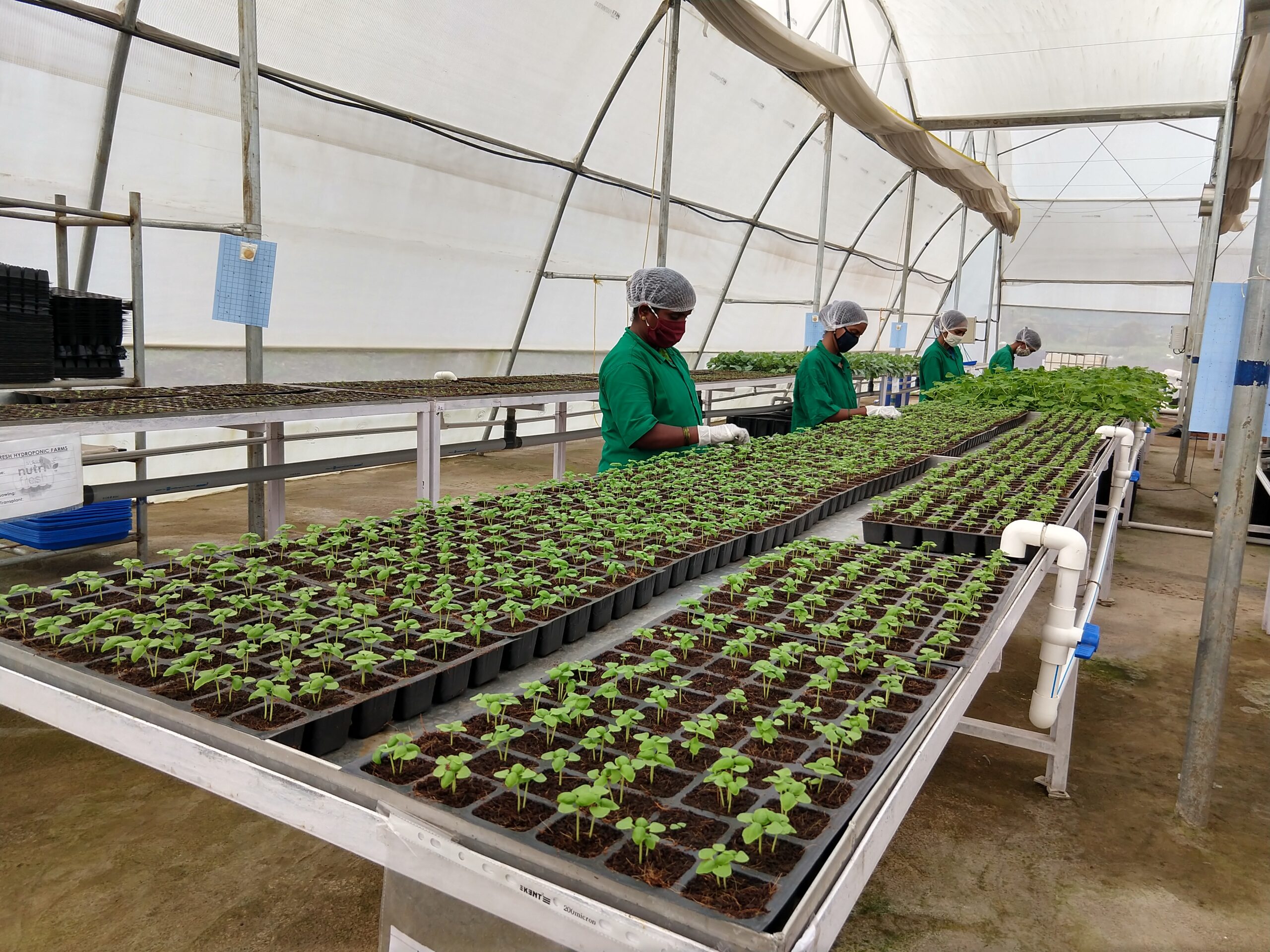
Vertical farming is showing promise as a way to reimagine agriculture’s future as India struggles with declining farmlands, unpredictable monsoons, and growing food demand. A key component of sustainable urban agriculture, vertical farming enables crops to grow in stacked layers within climate-controlled areas by utilising technology, regulated surroundings, and data-driven precision. With a keen eye for detail, Sanket Mehta—co-founder of Nutrifresh Farm Tech India Pvt Ltd—discusses the latest advancements and persistent problems confronting India’s vertical farming industry.
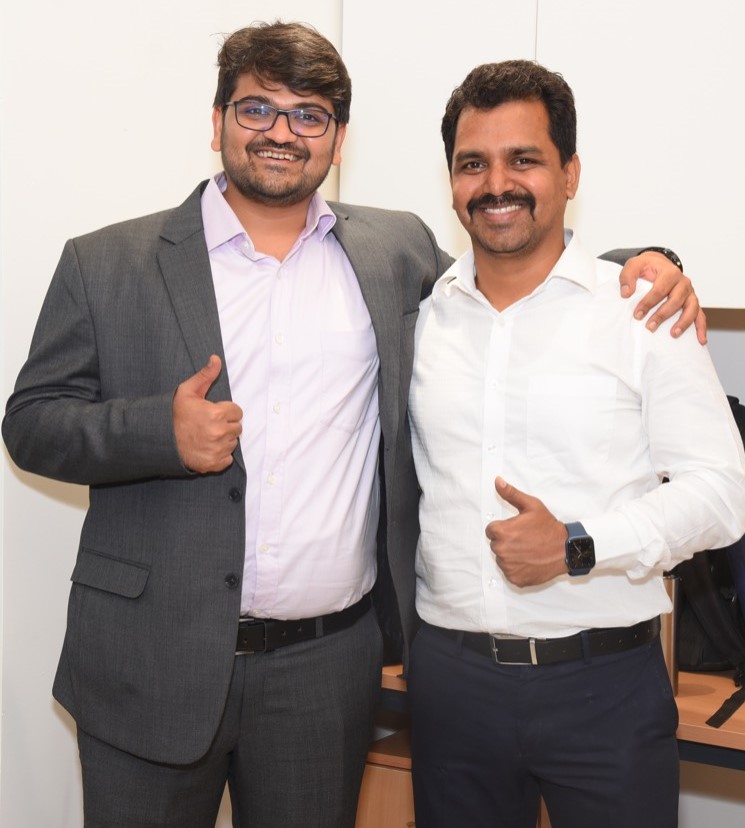
1. How do you envisage the future of vertical farming in India and how sustainable is it?
Vertical Farming as a concept is really fascinating and the need of the hour. Looking at the optics less land & more production is what we envisage. Hence as per my understanding the whole 5-7% of the $ 435 bn Industry as per 2022 can be attributed to vertical farming in future.
A futuristic approach to agriculture, vertical farming makes it possible to produce food in areas with limited resources or in cities. These farms can be set up in greenhouses, warehouses, or even tall buildings using hydroponic, aeroponic, or aquaponic systems. Two important sustainability constraints in India are addressed by vertical systems, which consume 70–95% less water and require much less area than traditional soil-based farming. Vertical farming offers an effective way to grow fresh produce locally and lessen reliance on lengthy food supply chains in places like Bengaluru, Delhi, and Mumbai, where land is costly and space is at a premium.
2. Currently, what is the market size of vertical farming in India and how much growth is expected in the near future
Currently, the market size is pretty small and as close to $ 200 mn, however, it is anticipated to double in the next 5 years.
3. Since the concept is recently getting more popular in India, what is the driving force that is enticing the cultivators to shift toward this concept?
Driving factor towards vertical farming is whole economics associated with Vertical Farming. As mentioned earlier, less land & more output is what is driving this type of farming. Besides, the whole notion of going back to agriculture is changing and today’s students are vastly influenced and attracted towards this sector because of the scale at which it is operating & the traction that it is generating. Besides, Venture Capital Funds and PEs are betting long on Agriculture which is another driving force for cultivators in New India.
4. Is technology a core element of this concept?
Any business that has scale & profitability is via Technology. Indeed, in Vertical Farming – Tech plays a major role. Various elements like Agronomy, IPM, Harvest Prediction & Market Dynamics help in Click & Drag Model and easily help in getting the scale required to this industry.
5. What are the major hurdles of vertical farming in India and what are their possible solutions?
Major hurdles for growth of this Industry is Intensive Capital and acceptability of innovative products by consumers. The whole concept is comparatively new and exciting. The growth to this Industry will depend upon people investing for long and India will witness a $ bn Company soon in this Industry.
7. Is the government running any specific policy or scheme to support vertical farming?
Yes, a good traction and discussion with Industry is ongoing and soon hopefully the Government policies with be curated towards Vertical Farming
8. What steps are needed to expand the network of this sustainable agriculture in India?
In India, vertical farming needs to incorporate energy-efficient HVAC systems and renewable energy sources like rooftop solar in order to be really sustainable. To reduce operating costs and emissions, newer farms are already experimenting with waste-to-nutrient systems, LED efficiency enhancements, and AI-based energy optimisation. State-level incentives for urban hydroponics and government programmes like the National Mission on Sustainable Agriculture (NMSA) can hasten uptake even more.







Comments are closed