


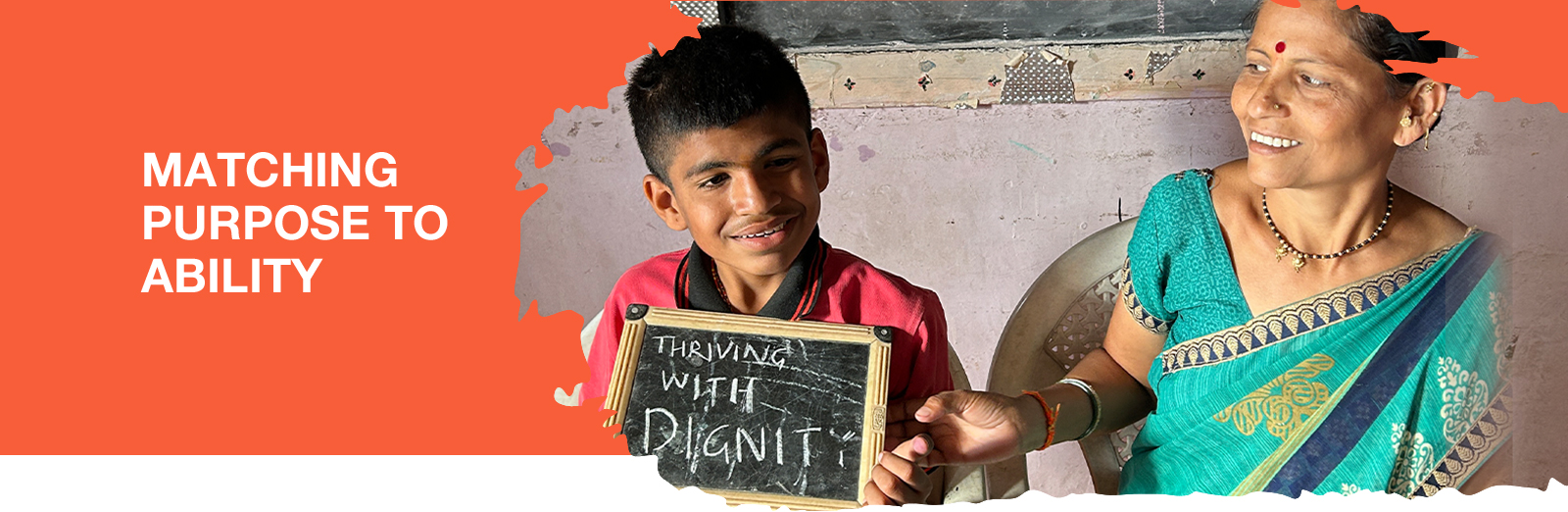
Non-profit organisations working in the disability sector in Karnataka are facing severe financial challenges due to limited corporate social responsibility (CSR) contributions and inadequate government budget allocations. A recent report has highlighted that despite increasing awareness around inclusivity and accessibility, organisations supporting persons with disabilities continue to receive only a small portion of available funding.
According to the report, disability-focused NGOs receive significantly lower CSR support compared to sectors such as education, healthcare, rural development, and environmental initiatives. Experts in the social sector say this imbalance has affected the ability of many organisations to provide rehabilitation, education, employment assistance, therapy, and community support for persons with disabilities.
The report noted that many companies tend to prioritise projects with greater public visibility or broader outreach while disability welfare remains underrepresented in CSR planning. Several organisations stated that they often struggle to secure long-term funding, forcing them to operate with limited staff and reduced services. Smaller NGOs, especially those working in rural areas, are among the worst affected.
Activists and sector leaders believe that disability welfare is frequently viewed as a niche concern instead of a mainstream development issue. As a result, projects related to accessibility, assistive technology, inclusive education, and skill development do not receive adequate attention from corporate donors.
The study also pointed out that State budget allocations for disability welfare remain insufficient when compared to the actual needs of the community. Many organisations depend heavily on grants and donations to continue their programmes. Delays in fund disbursal and lack of consistent financial support have further weakened the sector.
Representatives from disability rights groups stressed that persons with disabilities require continuous and specialised support systems, including healthcare, mobility assistance, education, and livelihood opportunities. Without stable funding, NGOs are unable to expand their services or reach underserved populations.
The report called for a more inclusive CSR framework that encourages companies to invest in disability-related initiatives. It recommended that corporations earmark a fixed share of CSR spending for disability welfare and collaborate directly with experienced NGOs. Experts also suggested that the government create policies that incentivise companies to support inclusive development projects.
Stakeholders further emphasised the need for better awareness among corporate decision-makers regarding the social and economic barriers faced by persons with disabilities. They argued that stronger investment in accessibility and inclusion can improve employment opportunities, education outcomes, and overall quality of life for millions of people.
Social sector experts believe that both the government and private sector must work together to bridge the funding gap. They warned that unless disability welfare receives greater policy attention and financial backing, many organisations may struggle to survive, ultimately affecting vulnerable communities that rely on their services.
The report serves as a reminder that inclusive growth cannot be achieved without ensuring adequate support for persons with disabilities and the organisations working to empower them.



Comments are closed