


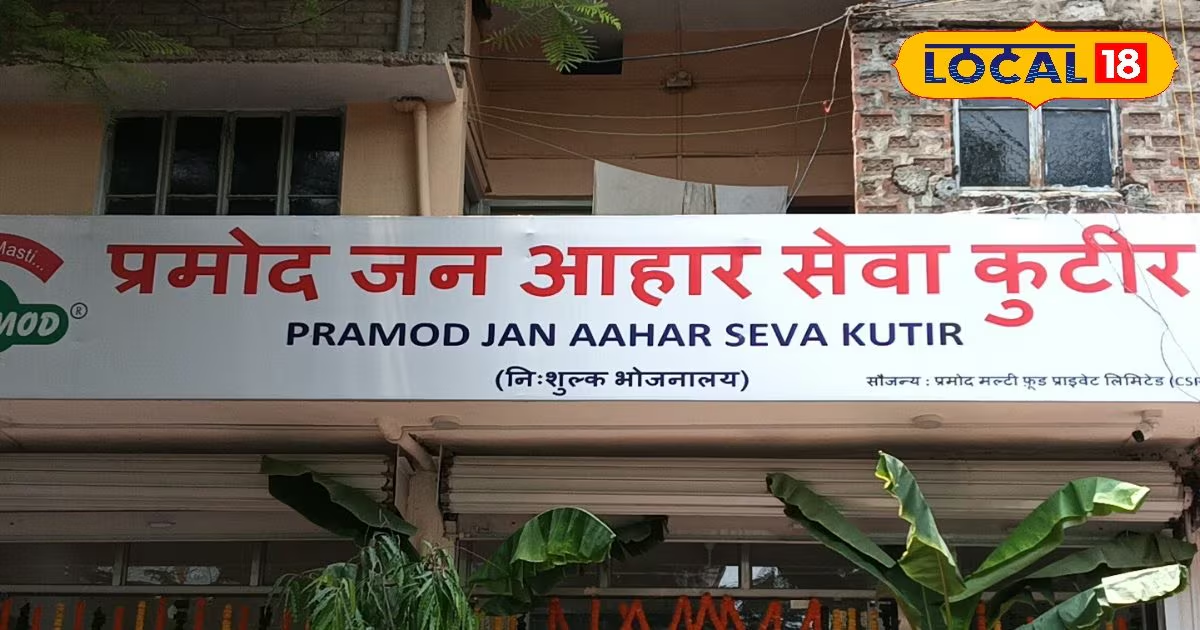
Pramod Jan Aahar Seva, a community-driven free kitchen initiative in Gaya, Bihar, is emerging as an important example of grassroots social welfare aimed at supporting poor, homeless, and vulnerable people through free meals. The initiative reflects a growing trend across India where community kitchens and food distribution programmes are addressing hunger, food insecurity, and social inequality at the local level.
According to reports, the initiative focuses on serving nutritious meals to people who struggle to afford daily food, including labourers, elderly citizens, pilgrims, patients’ attendants, and economically weaker families. Community kitchens like Pramod Jan Aahar Seva are increasingly becoming lifelines for people affected by unemployment, inflation, migration, and urban poverty. Similar programmes across India have shown how local food-support systems can help reduce hunger while promoting dignity and social inclusion.
The concept of community kitchens has deep cultural and social roots in India. Inspired by traditions such as langar and public food seva, many organisations and individuals have started free or subsidised meal services in cities, pilgrimage centres, hospitals, and low-income neighbourhoods. These kitchens typically rely on donations, volunteer support, and local participation to continue operations.
Experts say such initiatives are becoming increasingly important because food insecurity continues to affect millions of people despite economic growth. Rising living costs and irregular income opportunities have made access to affordable meals difficult for many low-income families. Community kitchens help bridge this gap by ensuring that vulnerable individuals can access basic nutrition without financial pressure.
In Bihar and other states, food-based social initiatives often gain strong community support because they directly address everyday needs. Public welfare experts note that free meal programmes not only tackle hunger but also help improve health, productivity, and social stability. Nutritious meals are especially important for children, elderly citizens, migrant workers, and people recovering from illness.
Community kitchens have also played a major role during emergencies and religious gatherings across India. During festivals, pilgrimages, natural disasters, and the COVID-19 pandemic, many organisations expanded free food distribution services to support affected populations. In temple towns such as Ayodhya, several large-scale kitchens have been serving thousands of meals daily to devotees and economically weaker groups.
Social workers believe initiatives like Pramod Jan Aahar Seva demonstrate how local participation and voluntary service can create meaningful impact at the grassroots level. Many successful community kitchens operate through contributions from citizens, businesses, religious organisations, and volunteers who collectively support food preparation and distribution activities.
Experts also highlight that food-support programmes contribute to broader social development goals, including poverty reduction, health improvement, and community welfare. The United Nations Sustainable Development Goal of “Zero Hunger” has encouraged governments, non-profits, and private citizens to support initiatives that improve food access for underserved populations.
As India continues to urbanise rapidly, grassroots food-support systems are expected to become even more important. Community kitchens such as Pramod Jan Aahar Seva show how local humanitarian efforts can provide immediate relief while fostering compassion, solidarity, and community responsibility. By ensuring that no one sleeps hungry, such initiatives continue to play a meaningful role in strengthening social welfare and inclusive development.






Comments are closed