


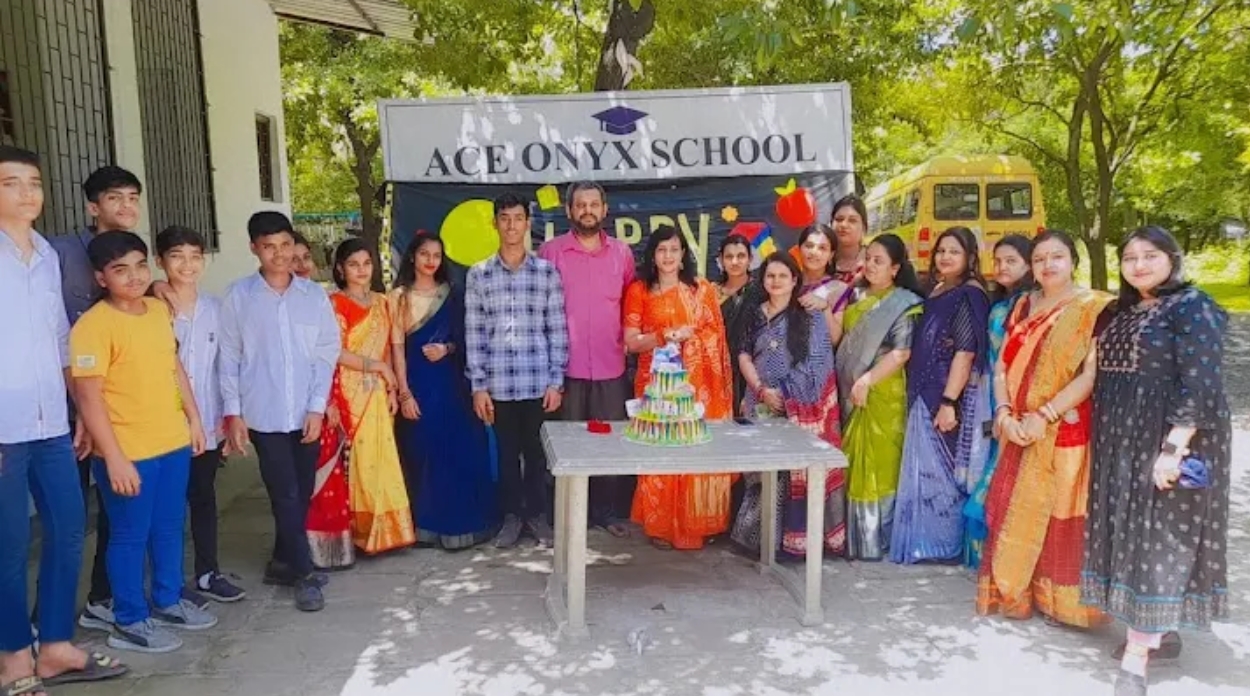
Education has long been recognized as one of the most powerful tools for social transformation, and Kerssie N. Wadia has emerged as a prominent advocate for using it to build a more sustainable future. Through her vision and commitment, she has demonstrated how education can go beyond academic learning to create socially responsible, environmentally conscious, and future-ready citizens. Her work highlights the importance of integrating sustainability into educational practices and empowering young people to become agents of positive change.
Wadia believes that education should not be limited to classroom instruction. Instead, it should help learners understand real-world challenges and equip them with the skills needed to address them. By promoting values such as environmental stewardship, ethical leadership, and community engagement, she has encouraged educational institutions to adopt a more holistic approach to learning. This vision aligns with global efforts to embed sustainability into education systems and prepare students for a rapidly changing world.
A key aspect of her approach is fostering awareness about sustainability among students from an early age. She emphasizes that future generations must understand the interconnected nature of environmental, social, and economic issues. Through innovative learning methods, experiential education, and community-based initiatives, students can develop practical solutions to local and global challenges. Such an approach not only enhances knowledge but also nurtures responsibility and critical thinking.
Wadia’s efforts also underscore the role of partnerships in driving meaningful educational change. Collaboration between educational institutions, businesses, non-governmental organizations, and local communities can help create opportunities for students while addressing pressing societal concerns. These partnerships contribute resources, expertise, and practical exposure, making education more impactful and relevant to contemporary needs.
Another important dimension of her work is promoting inclusivity and equal access to quality education. She recognizes that sustainable development cannot be achieved unless educational opportunities reach underserved and marginalized communities. By supporting initiatives that improve learning environments, enhance digital access, and strengthen educational infrastructure, she advocates for reducing disparities and ensuring that every learner has the chance to succeed.
Technology also plays a significant role in her vision for education. Digital tools and innovative learning platforms can expand access to knowledge, improve learning outcomes, and prepare students for emerging opportunities in a technology-driven world. However, she stresses that technology should complement human values and sustainable practices rather than replace them.
Through her sustained efforts, Kerssie N. Wadia has shown that education can be a powerful catalyst for sustainable development. Her work demonstrates how learning can inspire environmental responsibility, social equity, and economic resilience. By encouraging institutions and communities to embrace sustainability as a core educational principle, she continues to contribute to building a future where knowledge serves as a foundation for lasting positive change. Her example reinforces the belief that meaningful education is not only about shaping careers but also about shaping a better world for future generations.






Comments are closed