

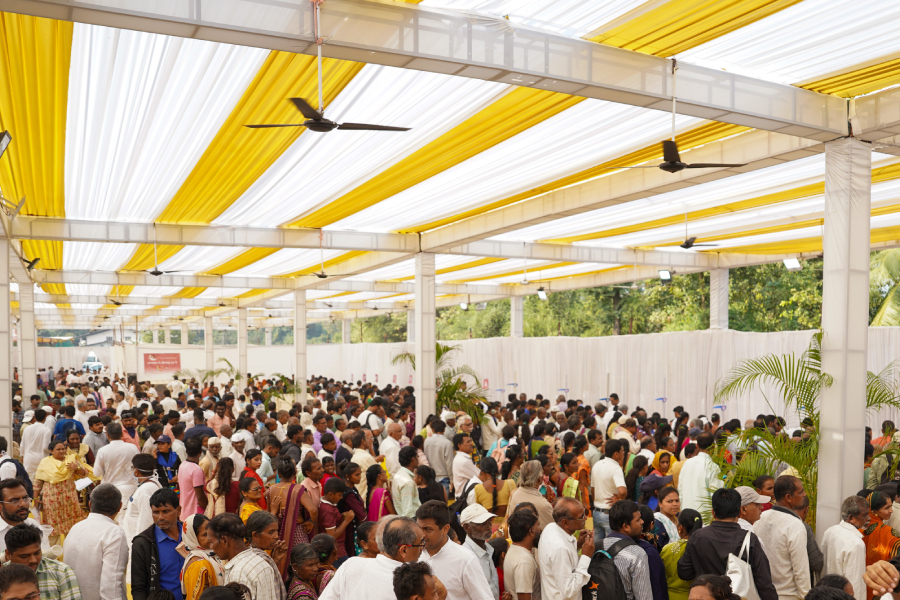
A major step towards improving rural healthcare access was taken with the organisation of a multi-speciality medical camp in the coastal regions of Rajula and Jafrabad in Gujarat. The initiative was conducted by SDHI as part of its corporate social responsibility (CSR) efforts, aiming to provide quality healthcare services to communities that often face challenges in accessing specialised medical treatment. The camp focused on delivering preventive, diagnostic and curative healthcare services directly to residents, particularly those from underserved and remote areas.
The medical camp brought together a team of experienced doctors and healthcare professionals from multiple specialties. Residents received consultations across disciplines such as general medicine, paediatrics, gynaecology, orthopaedics, ophthalmology and other key areas of healthcare. The objective was to ensure that individuals could access expert medical advice without the burden of travelling long distances to urban healthcare centres.
Hundreds of beneficiaries attended the camp, taking advantage of free health check-ups, consultations and medical guidance. Patients underwent basic health screenings, including blood pressure monitoring, blood sugar testing and other essential diagnostic assessments. These services enabled doctors to identify potential health concerns at an early stage and recommend appropriate treatment or follow-up care. Similar community-focused medical camps have proven effective in strengthening healthcare outreach and improving access to essential services in rural regions.
A key feature of the initiative was its emphasis on preventive healthcare. Medical experts educated participants about lifestyle-related diseases, nutrition, hygiene and the importance of regular health check-ups. Awareness sessions encouraged people to adopt healthier habits and seek timely medical attention, helping reduce the long-term burden of preventable illnesses. Such awareness-driven healthcare programmes play a vital role in improving overall community well-being and promoting healthier living practices.
The organisers also facilitated the distribution of medicines and healthcare support to patients requiring immediate treatment. Individuals identified with specific medical conditions were guided towards further evaluation and specialised care where necessary. By combining diagnosis, treatment and awareness under one platform, the camp provided a comprehensive healthcare experience for local residents.
The initiative reflects the growing role of CSR programmes in addressing healthcare gaps across rural India. Access to quality healthcare remains a significant challenge in many villages, where medical infrastructure and specialist services are often limited. Through targeted interventions such as multi-speciality medical camps, organisations can help bridge these gaps and ensure that essential healthcare reaches those who need it most.
Community participation played a crucial role in the success of the programme. Local residents, volunteers and healthcare workers collaborated to ensure smooth execution and maximum outreach. Their collective efforts helped create a supportive environment where beneficiaries could receive medical attention and health-related guidance with ease.
By organising the medical camp in Rajula and Jafrabad, SDHI has reaffirmed its commitment to community welfare and inclusive development. The initiative not only provided immediate healthcare benefits but also contributed to long-term health awareness among residents. Through such sustained efforts, CSR programmes can make a meaningful difference in strengthening rural healthcare systems and improving the quality of life for communities across the region.



Comments are closed