


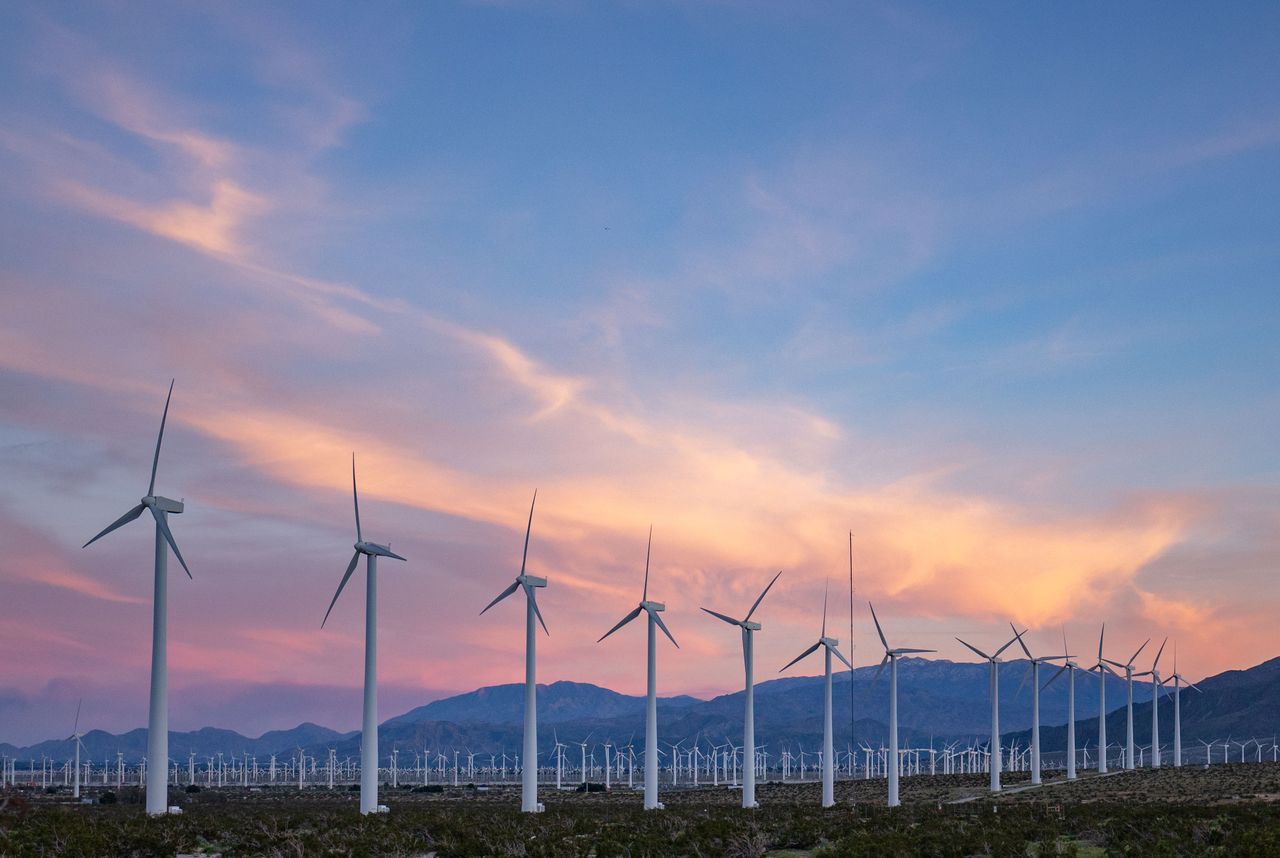
Amazon plans to invest an additional US$7 billion in renewable energy projects in India by 2030, expanding its wind and solar energy portfolio and supporting the country’s clean energy transition. The commitment will be over and above the US$4 billion in renewable energy investments the company has already contracted in the country.
Alongside the announcement, Amazon outlined four utility-scale wind and solar projects with a combined capacity of 934 megawatts (MW). These projects are part of its existing US$4 billion contracted portfolio and include a 234 MW wind farm in Karnataka, the company’s largest contracted wind project in Asia to date; a 200 MW combined solar and wind project, also in Karnataka; a 300 MW solar project in Madhya Pradesh; and a 200 MW solar project in Rajasthan.
All four projects have been secured through Power Purchase Agreements (PPAs). Once operational, Amazon’s contracted renewable energy projects in India are expected to have a combined capacity of more than 2 gigawatts (GW), generating electricity equivalent to the annual consumption of over 3.5 million Indian households.
The investment commitment comes as India continues to expand its renewable energy capacity and attract private-sector participation in clean power generation. Such projects can contribute to the country’s energy security while supporting the development of renewable energy infrastructure.
Expanding carbon-free energy capacity
Amazon’s renewable energy portfolio in India currently includes 14 utility-scale wind and solar projects and 43 on-site solar installations across its facilities. Together, these 57 projects support the company’s efforts to increase the use of carbon-free electricity across its operations. The company has also announced a global target to reduce the carbon intensity of electricity powering its operations by 65% by 2030, against a 2019 baseline. This forms part of its broader commitment to achieve net-zero carbon across its operations by 2040 under The Climate Pledge.
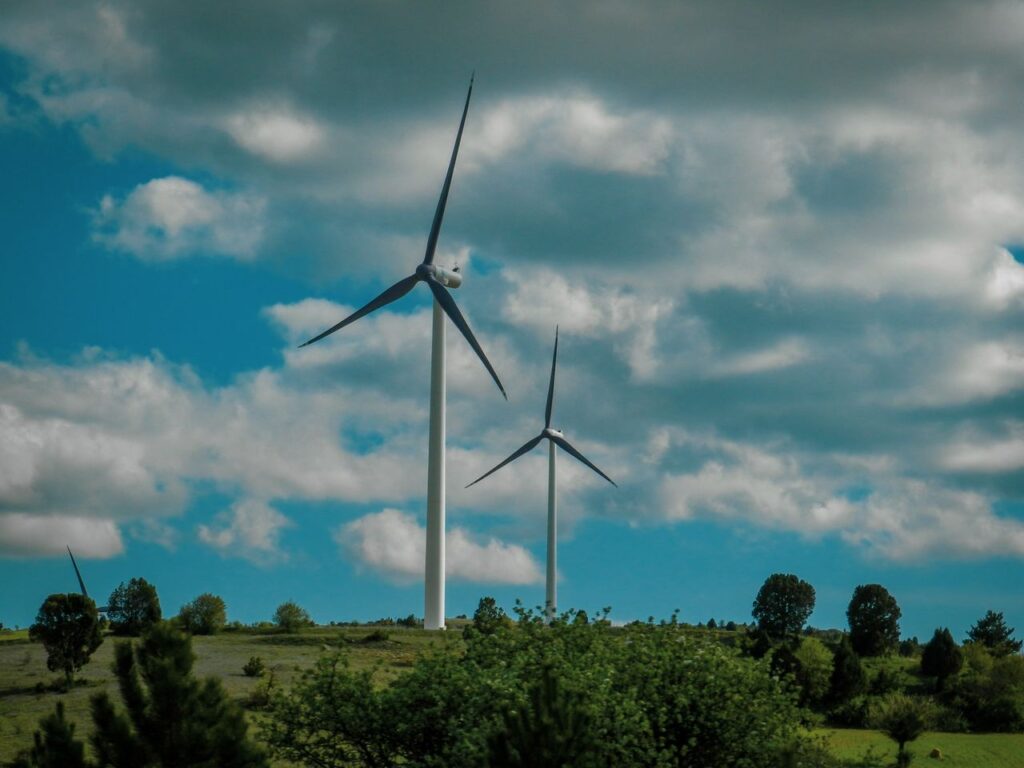

Globally, Amazon has more than 700 wind and solar projects with a combined capacity exceeding 40 GW, making it one of the world’s largest corporate purchasers of carbon-free energy.
Beyond supplying renewable electricity, investments in wind and solar projects can support the development of energy infrastructure, create employment opportunities and contribute to grid reliability. Their wider impact will depend on project execution, integration with the electricity grid and the availability of supporting infrastructure.
Other sustainability initiatives in India
Amazon’s renewable energy plans form part of a broader sustainability approach in India, which also covers transportation, water stewardship and packaging.
In transportation, the company has deployed more than 15,000 electric vehicles across over 500 cities. It is also working with Tata Motors on plans to deploy 3,000 electric trucks, which Amazon describes as the largest planned electric truck fleet by an e-commerce company in India.

In water stewardship, Amazon achieved water-positive status in India in 2025, ahead of its 2027 target. The company reported replenishing more than 120% of the water consumed across its direct operations through projects supporting communities and watersheds. It has invested over ₹62 crore in water replenishment initiatives, which are expected to replenish more than four billion litres of water annually.
Packaging is another area of focus. According to the company, more than 50% of customer orders in India are shipped in reduced or original packaging. Amazon is also working with IIT Roorkee to develop alternative packaging materials using agricultural residue, with the aim of reducing reliance on conventional packaging materials.
Together, these initiatives reflect Amazon’s wider sustainability commitments in India, with renewable energy investment forming a major part of its efforts to reduce the environmental footprint of its operations.






Comments are closed