

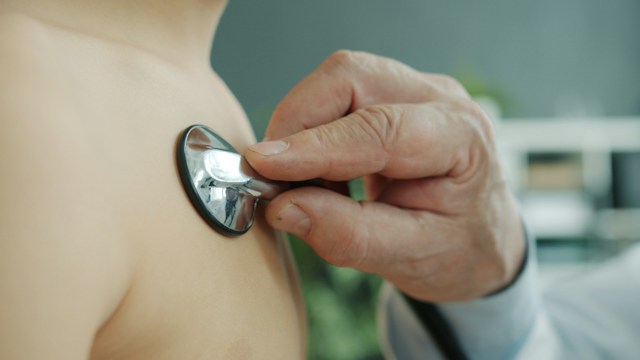
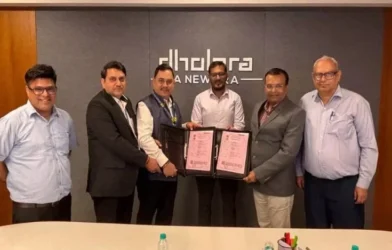
Ambuja Foundation, in partnership with Punya Kaarya Foundation, has launched a community-based Action Research Project in Chandrapur district, Maharashtra, to address respiratory health disorders among children. The initiative will deploy trained community health workers, known as Sakhis, and a digital screening application called Lung Sakhi to support the early identification of potential lung health problems and facilitate timely medical referrals.
Covering the Korpana, Rajura and Jiwati blocks, the project aims to strengthen community-level respiratory healthcare through awareness, screening, access to treatment and long-term management.
Reaching underserved communities
Ambuja Foundation works across 70 villages in the three blocks, reaching approximately 40,000 people from underserved communities, including Scheduled Tribe populations. The project aims to raise awareness about chronic lung diseases, asthma, allergies and tuberculosis, while strengthening local capacity for screening, referrals and treatment.
Training community health workers
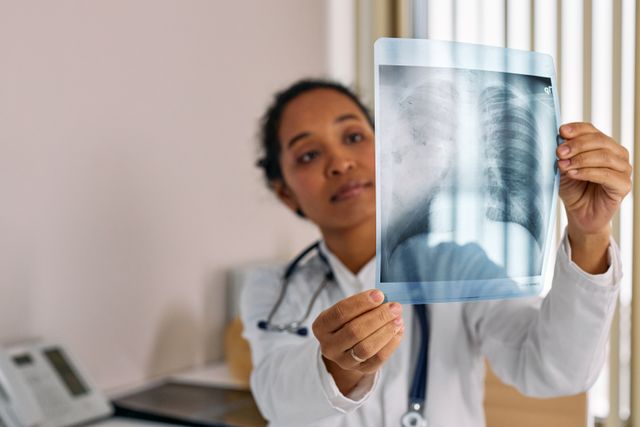
Specialists and programme teams from both organisations will develop training manuals and curricula for Sakhis and frontline health workers. The training will cover respiratory disease risk factors, early symptoms, screening methods, preventive measures and timely referrals for treatment.
Sakhis will also be trained in spirometry, a test that measures how much air a person can breathe in and out and how quickly they can do so. This will help assess children identified during community screening.
Using the Lung Sakhi app
The Lung Sakhi app will serve as a digital screening and referral tool, helping trained community health workers identify children who may have respiratory health problems and connect them with appropriate care. Its integration into community-level healthcare is expected to strengthen early identification and follow-up.
Improving access to medicines and treatment
The project will focus on improving access to essential medicines, including appropriate inhaled medications, through community clinics. Trained paramedical personnel will regularly monitor medicine availability.
The partners will also develop standardised protocols, referral pathways and Standard Operating Procedures (SOPs) to support consistent respiratory healthcare delivery in rural communities.
Specialist support and early intervention
A pediatric pulmonologist will provide technical guidance, training and clinical support. The programme will also promote practical measures families can adopt at home, including respiratory health education and appropriate pulmonary rehabilitation strategies where indicated.
The partners have highlighted the importance of early detection, noting that children’s lungs are still developing and that exposure to air pollution and other environmental risk factors can affect respiratory health.
Plans for expansion
Following its work in Chandrapur, the two organisations plan to explore extending the Lung Sakhi Project to Ropar and Chandigarh in Punjab, where communities face similar respiratory health challenges.
The long-term objective is to establish a replicable community-based model combining digital technology, trained community health workers, spirometry, specialist expertise, teleconsultation and continuous follow-up. Punya Kaarya Foundation will support the initiative.
Comments are closed