


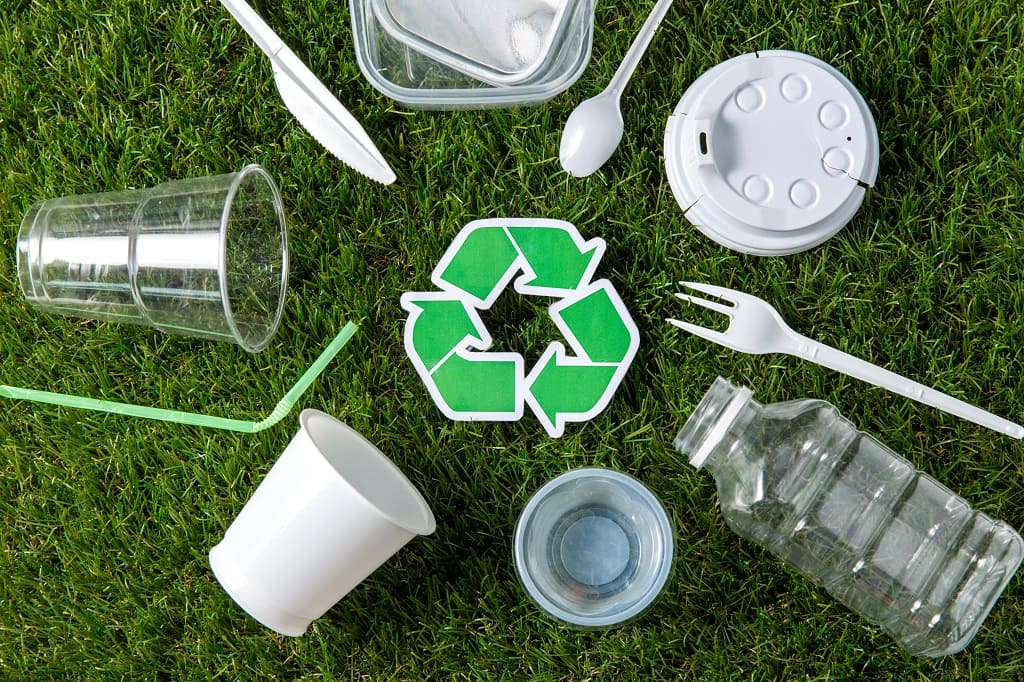
The growing demand for sustainable manufacturing has increased the use of recycled plastics across industries, but experts say quality remains the most important factor in making recycling truly effective. Manufacturers are now under pressure to reduce plastic waste, lower carbon emissions, and move toward circular economy practices. However, low-quality recycled plastic can create problems in product performance, durability, safety, and long-term sustainability.
Industry specialists explain that recycled plastic is no longer viewed only as a low-cost alternative to virgin plastic. Today, businesses expect recycled materials to perform consistently in packaging, consumer products, automotive parts, construction materials, and industrial applications. If the recycled resin is contaminated or poorly processed, it can weaken the final product, affect machine efficiency, and increase production losses.
One of the biggest challenges in plastic recycling is contamination. Recycled plastic often contains impurities such as labels, adhesives, dirt, moisture, food residue, or mixed polymer types. These contaminants reduce the strength, colour consistency, and usability of recycled materials. Experts note that proper segregation and cleaning are essential to maintaining quality throughout the recycling process.
Researchers also point out that mixing different kinds of plastics can severely reduce recyclability and product performance. Since each polymer behaves differently during melting and processing, poor sorting creates unstable recycled material with inconsistent mechanical properties. Advanced sorting technologies and better waste collection systems are therefore becoming critical for sustainable manufacturing.
According to sustainability experts, high-quality recycled plastic allows manufacturers to replace virgin plastic more effectively, reducing dependence on fossil-fuel-based raw materials. Better recyclate quality also supports closed-loop recycling, where plastic waste is converted back into similar products instead of lower-value applications. This helps industries move closer to circular economy goals and reduces environmental impact.
Modern recycling technologies are playing a major role in improving recycled plastic quality. Companies are increasingly investing in automated sorting systems, hot washing processes, filtration systems, and advanced extrusion techniques to improve purity and consistency. Industry experts say technology upgrades are helping recycled plastics meet the standards required for more demanding applications.
At the same time, researchers warn that plastic quality naturally degrades after repeated recycling cycles. Mechanical recycling can reduce strength and stability over time, limiting the number of times plastic can be reused. Scientists are therefore exploring innovative approaches to improve the durability and consistency of recycled plastics for wider industrial use.
Public discussions around recycled plastics have also raised concerns about greenwashing and overdependence on plastic consumption. Several sustainability advocates argue that recycling alone cannot solve the global plastic crisis unless industries also reduce unnecessary packaging and improve product design. Online discussions show that consumers increasingly expect companies to balance recycling efforts with broader waste-reduction strategies.
Experts conclude that the future of sustainable manufacturing will depend not just on increasing recycling rates, but on improving the quality, reliability, and usability of recycled plastics. Stronger recycling systems, better waste segregation, cleaner feedstock, and advanced processing technologies will be essential to making recycled plastic a dependable and environmentally responsible material for modern industries.








Comments are closed