

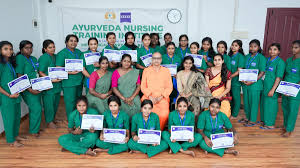
A Corporate Social Responsibility (CSR) initiative in Kerala’s Wayanad district has transformed the lives of 25 tribal women by training them as Ayur nurses and ensuring 100% campus placements. The programme, aimed at empowering women from marginalised tribal communities, highlights how skill development and traditional healthcare knowledge can create sustainable livelihood opportunities.
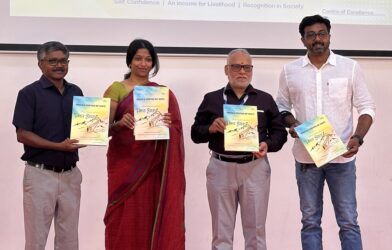
The initiative was launched through the Ayurveda Nursing Training Institute in Meenangadi, Wayanad. Supported by CSR funding from ZEISS India and implemented by the non-governmental organisation Bharat Shodh, the institute focuses on providing free training in Ayurvedic therapies and wellness practices to tribal youth.
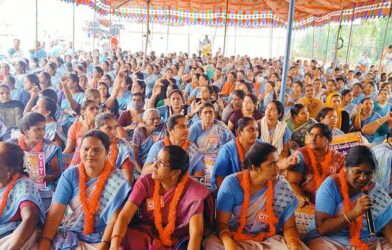
The six-month programme combines practical healthcare training with lessons rooted in Ayurveda, India’s traditional system of medicine. The first batch included around 25 tribal women who successfully completed the course and secured placements immediately after graduation. The initiative is considered a major step toward financial independence and social upliftment for women in remote tribal areas of Wayanad.
Many tribal families in Wayanad face economic hardships due to limited employment opportunities, lack of access to higher education, and social marginalisation. Women in these communities often struggle to secure stable jobs. By introducing professional healthcare training in a culturally familiar field such as Ayurveda, the project has opened new career paths while also preserving traditional healing practices.
The trained Ayur nurses are expected to find opportunities in hospitals, wellness centres, elderly care services, and prenatal and postnatal care facilities, particularly in South Indian cities like Bengaluru, Chennai, and Coimbatore, where demand for wellness and geriatric care professionals is increasing rapidly. Reports indicate that India’s geriatric care sector is expected to grow significantly in the coming years, creating a strong market for trained caregivers and wellness professionals.
The programme also carries social significance beyond employment. It demonstrates how CSR investments can directly improve the lives of tribal communities when focused on education, healthcare, and skill development. Wayanad, Kerala’s only aspirational district under the NITI Aayog programme, has been receiving attention for initiatives that channel CSR funds into rural and tribal development.
Experts have long pointed out that tribal women in Kerala continue to face gaps in healthcare access, education, and economic participation despite the State’s overall progress in social indicators. Studies on indigenous women in Kerala have emphasised the importance of community-based training, local participation, and sustainable livelihood projects to improve long-term outcomes.
The organisers of the Ayur nurse training programme believe the initiative is not only about employment but also about restoring dignity and self-confidence among tribal women. By blending traditional knowledge with structured professional training, the project creates a bridge between heritage and modern healthcare needs.
Following the success of the first batch, plans are reportedly underway to establish similar training centres in other parts of Wayanad. The organisers hope the model can inspire more CSR-backed projects focused on empowering vulnerable communities through culturally relevant skill development programmes.




Comments are closed