


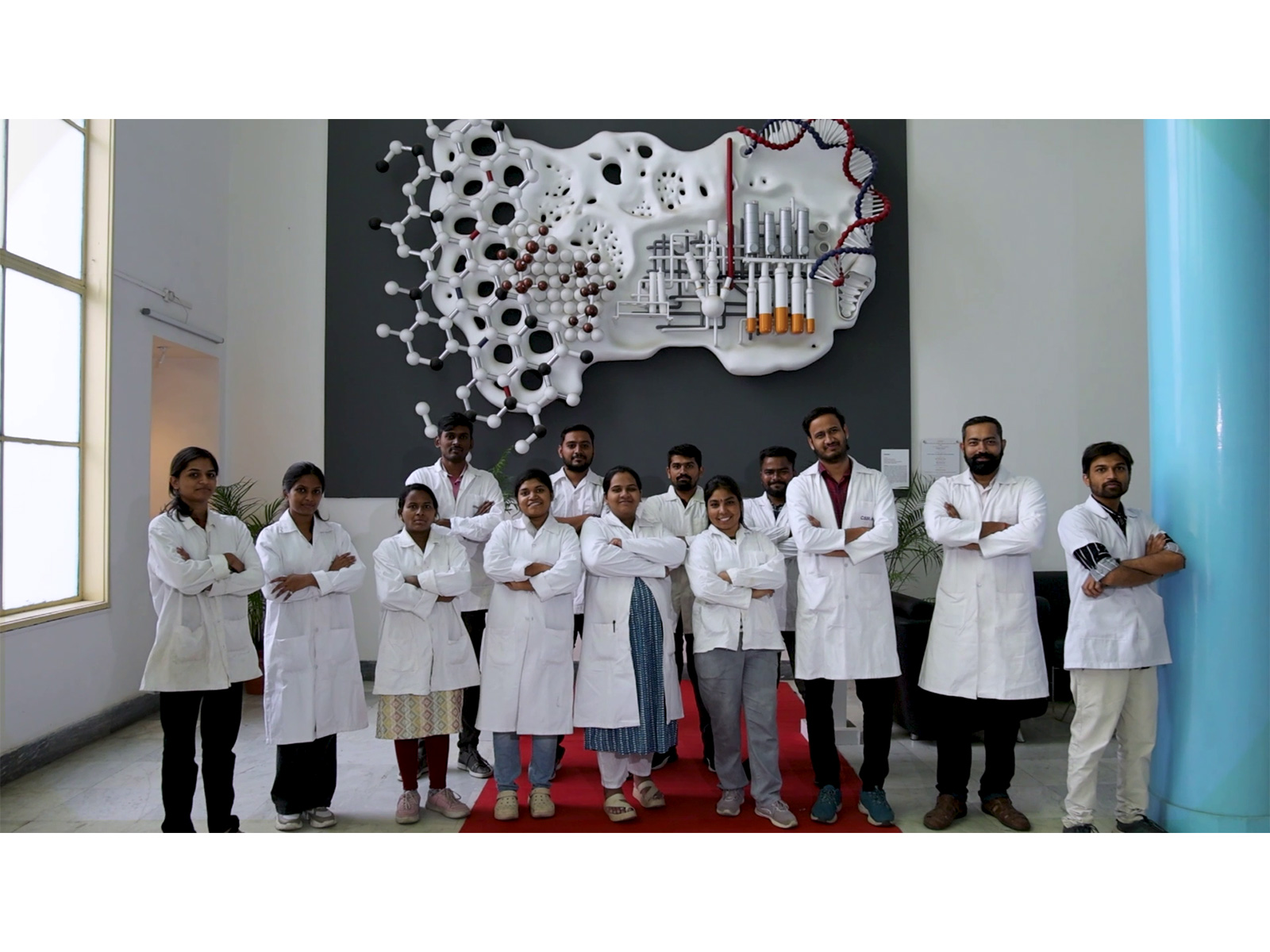
Scientists in Pune are developing an indigenous alternative to conventional cooking gas that could help India reduce its dependence on imported LPG. The fuel, called Dimethyl Ether (DME), is being developed at the CSIR-National Chemical Laboratory and is being viewed as a major step toward energy self-reliance and cleaner fuel solutions.
India currently imports a large portion of the LPG used in households across the country. Rising global fuel prices and import dependency have increased pressure on the government and energy sector to explore locally produced alternatives. Researchers involved in the Pune project believe DME could become a practical substitute because it has properties similar to LPG and can be produced using domestic resources such as coal, biomass, and methanol.
According to scientists, DME burns cleanly and can be blended with LPG without requiring major changes in household cooking systems. Dr. T Raja, Chief Scientist at the laboratory, explained that DME and LPG are nearly equivalent in terms of usage, although their calorific values differ slightly. Researchers say the gas can be safely mixed with propane and butane while maintaining efficiency for domestic and industrial use.
The project is currently focused on introducing a blend consisting of 20 percent DME and 80 percent LPG. One of the biggest advantages of this approach is that consumers may not need to replace their existing gas stoves or cylinders. Scientists believe this could make adoption easier and reduce resistance to transition.
Researchers also highlighted that DME has applications beyond household kitchens. The fuel could potentially be used in LPG-powered autorickshaws and may even serve as a replacement for diesel generators in certain situations. Project scientist Samruddhi Mane said the technology has the capacity to support multiple energy sectors, making it more versatile than traditional cooking fuel alone.
Experts involved in the research believe even partial replacement of LPG with DME could significantly lower India’s fuel import bill. Reduced dependence on foreign suppliers would also help conserve foreign exchange reserves and strengthen the country’s long-term energy security. Project scientist Akash Bhatkar noted that widespread use of a DME blend could save substantial amounts currently spent on LPG imports.
Apart from economic benefits, scientists say the fuel may contribute to cleaner energy practices. DME is considered a relatively cleaner-burning fuel compared to several conventional fossil fuels, which may help reduce harmful emissions over time. Researchers are also testing burner systems and related equipment to ensure the fuel can be used safely and efficiently in homes and commercial settings.
Young researchers associated with the project described the initiative as a matter of national pride. Many believe the technology reflects India’s growing confidence in scientific innovation and deep-tech development. Team members working on the project said their efforts are aimed not only at creating a fuel alternative but also at strengthening India’s self-reliance in the energy sector.
As India continues to search for cleaner and locally produced energy sources, the DME project in Pune could become an important milestone in building a sustainable and indigenous fuel ecosystem for the future.





Comments are closed