


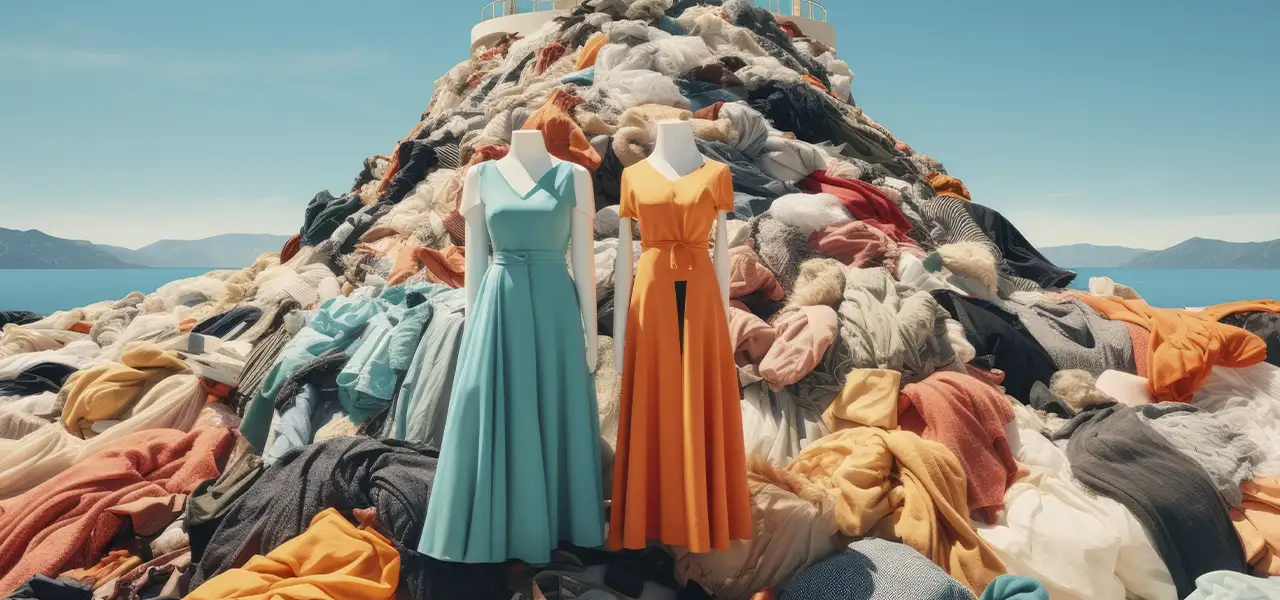
Fashion recycling involves collecting, reprocessing, and repurposing used clothing, textiles, and fabric waste. Instead of ending up in landfills, old garments can be transformed into new clothing, household products, industrial materials, or recycled fibres. This approach helps extend the lifecycle of textiles and reduces the demand for virgin raw materials.
The growing popularity of fast fashion has intensified concerns about waste generation. Consumers often purchase inexpensive, trend-driven clothing that is discarded after limited use. As a result, millions of tonnes of textile waste are produced annually, creating environmental challenges related to landfill overflow, water consumption, and carbon emissions.
Recycling offers a practical alternative by encouraging circular fashion practices. In a circular model, garments are designed, used, collected, and reintroduced into the production cycle rather than being discarded. This reduces resource consumption while promoting more sustainable manufacturing methods.
Experts highlight several forms of fashion recycling. Clothes in good condition can be donated, resold, or exchanged through thrift stores and second-hand marketplaces. Damaged garments may be upcycled into new fashion products, accessories, or home décor items. Textile recycling facilities can also break down fabrics into fibres that are reused in creating fresh materials and products.
Major fashion brands and retailers are increasingly introducing take-back programmes that encourage customers to return unwanted clothing for recycling. Such initiatives aim to reduce textile waste while raising awareness about sustainable fashion choices. Many companies are also exploring eco-friendly fabrics and recycling technologies to improve the efficiency of textile recovery.
Consumers play a crucial role in the success of fashion recycling. Choosing durable clothing, repairing garments, shopping second-hand, and participating in recycling programmes can significantly reduce environmental impact. Small changes in purchasing and disposal habits can collectively contribute to a more sustainable fashion ecosystem.
Environmental advocates argue that recycling alone is not enough and should be combined with mindful consumption. Reducing unnecessary purchases, supporting ethical brands, and embracing quality over quantity remain essential steps toward addressing the broader sustainability challenges facing the fashion sector.
As awareness of climate change and environmental responsibility grows, fashion recycling is gaining recognition as a practical and accessible way to reduce waste. By keeping textiles in circulation for longer and minimising the burden on natural resources, recycling is helping reshape the future of fashion into a more sustainable and environmentally conscious industry.
The continued adoption of circular practices, technological innovation, and consumer participation is expected to strengthen the role of fashion recycling in building a cleaner and more responsible global fashion economy.







Comments are closed