


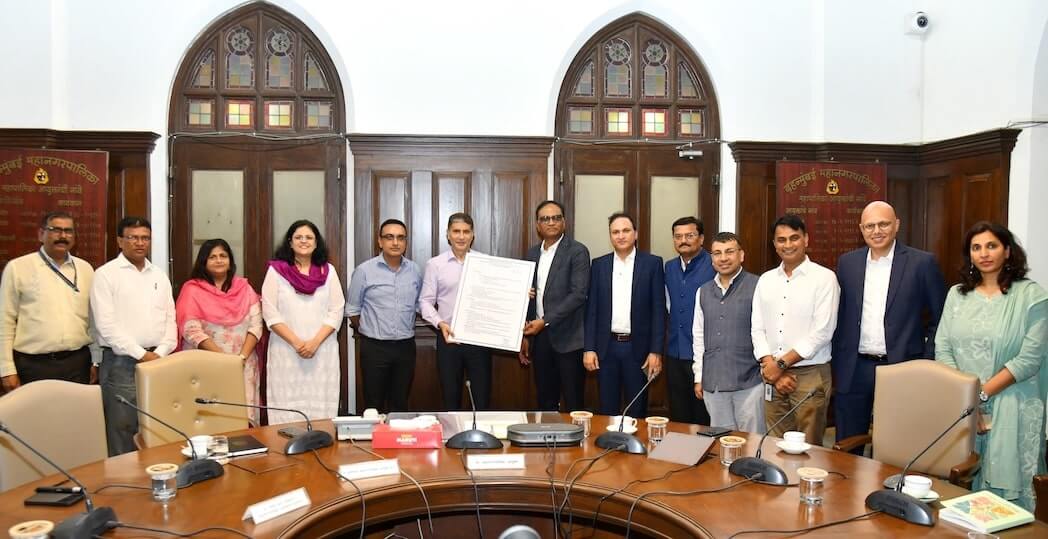
The Brihanmumbai Municipal Corporation (BMC) has launched a major initiative to improve Mumbai’s public open spaces by inviting corporate participation through Corporate Social Responsibility (CSR) funding. In the first phase of the programme, 71 projects involving parks, gardens, playgrounds, and recreational grounds across the city’s 26 administrative wards have been made available for corporate sponsorship and development.
The projects vary widely in scale and investment requirements. Funding needs range from as little as ₹1 lakh for the improvement of smaller neighbourhood gardens to as much as ₹10 crore for the redevelopment of large public grounds. The proposals mainly focus on two areas: creating new recreational facilities and renovating existing public spaces that require upgrades.
The move comes at a time when Mumbai continues to struggle with a shortage of accessible public open spaces. Studies conducted by urban planning organisations have highlighted that a significant number of parks and recreational grounds identified in city plans remain inaccessible or underutilised. Research in parts of Andheri West and Malad found that only around 30% of designated public open spaces were fully available for recreational use.
According to civic data, Mumbai currently has hundreds of gardens, playgrounds, and recreational grounds. However, access to quality green and recreational spaces remains uneven across many neighbourhoods. Experts have repeatedly pointed out that the city’s per-capita availability of open space is far below recommended urban planning standards, making the development and preservation of such spaces increasingly important.
BMC officials said the initiative is part of a broader effort to attract private-sector participation in public welfare projects. The Gardens Department was the first to submit proposals, and officials reported encouraging responses from both private companies and public sector enterprises. The projects have been distributed across all wards to ensure that different parts of the city receive equal attention and opportunities for development.
Additional project proposals from other civic departments, including education and health, are also expected to be added to the CSR platform in the coming weeks. While several organisations have expressed interest, no project has yet been formally adopted by a corporate partner.
Corporate representatives view parks and playgrounds as attractive CSR investments because they generally involve one-time infrastructure spending, unlike schools or hospitals that require ongoing operational funding. Since maintenance responsibilities remain with the civic body, companies can contribute to creating community assets without long-term financial commitments.
However, some urban activists have urged caution. They have welcomed investments in public infrastructure but stressed that safeguards must be put in place to ensure that public parks and open spaces remain fully accessible to citizens. They argue that CSR participation should not lead to indirect privatisation or corporate control over community assets.
The initiative is expected to improve recreational facilities, enhance neighbourhood greenery, and create much-needed public spaces in one of India’s most densely populated cities.


Comments are closed