


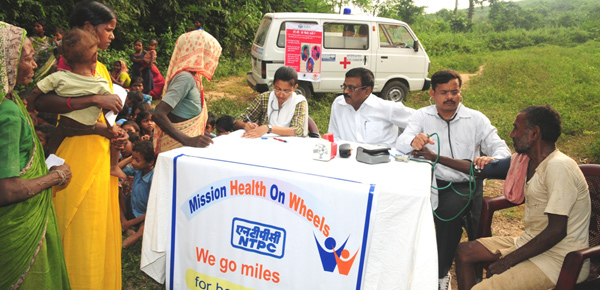
In a significant yet often understated stride toward inclusive rural transformation, NTPC’s latest Corporate Social Responsibility (CSR) initiative in Jharkhand’s Chatra district reflects more than infrastructural development—it signals a strategic investment in the region’s human capital.
Under a formal agreement with the district administration, NTPC’s North Karanpura unit has committed approximately ₹1.08 crore to upgrade 25 Anganwadi centres into model facilities. While the headline figures may appear modest in scale, the implications of this initiative are far-reaching, especially in a district grappling with persistent challenges in maternal health, child nutrition, and early education.
At its core, the project seeks to address foundational gaps in rural welfare systems. Anganwadi centres, long envisioned as the frontline institutions for delivering integrated child development services, often suffer from poor infrastructure and limited resources. By transforming these centres into well-equipped, model facilities, the initiative aims to strengthen the delivery of essential services—ranging from maternal healthcare and nutritional support to early childhood education.
What makes this effort particularly consequential is its targeted approach toward measurable social outcomes. Improved infrastructure is expected to directly contribute to lowering maternal and infant mortality rates—two critical indicators that continue to challenge public health systems in underserved regions. The emphasis on early education further underscores a long-term vision: nurturing cognitive development at a stage where interventions yield the highest returns.
Equally noteworthy is the structured execution model promised by stakeholders. By prioritizing transparency, time-bound implementation, and administrative coordination, the project attempts to move beyond the pitfalls that often plague CSR-driven interventions—namely delays, inefficiencies, and lack of accountability.
This initiative also aligns with a broader pattern of public sector enterprises stepping into developmental roles traditionally associated with the state. In districts like Chatra, where socio-economic vulnerabilities intersect with infrastructural deficits, such collaborations between administration and PSUs are increasingly becoming vital instruments of change.
However, the true test of success will lie not merely in the construction of upgraded centres, but in their sustained functionality. Ensuring trained personnel, consistent service delivery, and community engagement will be critical to translating physical infrastructure into tangible social impact.
In essence, NTPC’s Anganwadi initiative is less about building structures and more about reinforcing systems. If executed effectively, it could serve as a replicable model for how targeted CSR investments can bridge gaps in grassroots governance—quietly but meaningfully reshaping the development narrative in India’s hinterlands.







Comments are closed