


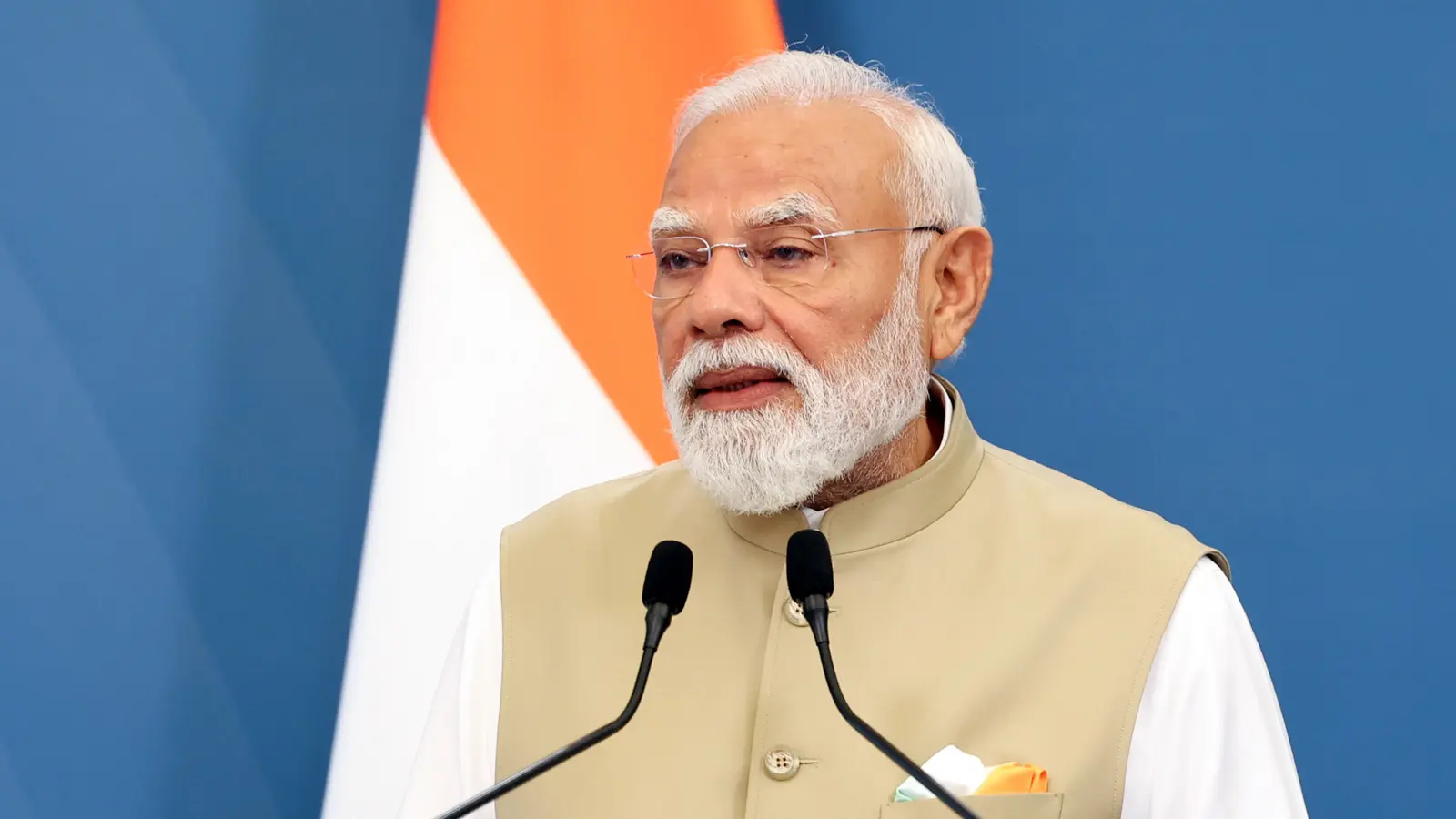
Prime Minister Narendra Modi has called on states and Union Territories to strengthen water conservation measures as concerns grow over the possible emergence of El Niño conditions later this year. Addressing the 11th Governing Council Meeting of NITI Aayog, the Prime Minister emphasized the need for a coordinated national strategy to tackle climate-related challenges and safeguard the country’s water and agricultural resources.
The meeting, attended by representatives from all 28 states and five Union Territories, focused on key developmental priorities as well as environmental risks that could affect India’s growth trajectory. Modi highlighted the importance of preparing for weather uncertainties that may arise due to El Niño, a climate phenomenon known for disrupting rainfall patterns across several parts of the world, including India.
According to the Prime Minister, climate variability poses significant risks to agriculture, water availability, and rural livelihoods. He urged state governments to adopt sustainable resource management practices and prioritize water conservation projects to reduce the impact of potential droughts and heatwaves. The warning comes as global weather agencies continue to monitor changing ocean temperatures that indicate the possible development of El Niño conditions.
El Niño occurs when sea surface temperatures in the central and eastern Pacific Ocean rise above normal levels. Historically, this phenomenon has been associated with weaker monsoon rainfall in India. Reduced rainfall can affect crop production, lower reservoir levels, and increase pressure on drinking water supplies. Meteorological agencies have indicated that an El Niño event may develop during mid-2026, raising concerns about its effect on weather systems worldwide.
Weather experts note that warmer Pacific waters can weaken the moisture-bearing winds responsible for bringing monsoon rains to the Indian subcontinent. As a result, regions dependent on seasonal rainfall could face challenges such as water shortages, prolonged dry spells, and increased temperatures. Current observations from international meteorological organizations suggest that ocean temperatures remain above average, signaling conditions that are favorable for the development of El Niño.
Beyond climate concerns, the Prime Minister also spoke about India’s long-term development goals under the vision of “Viksit Bharat.” He stressed that cooperative federalism and strategic planning would be essential in building a developed and self-reliant nation. Modi encouraged states to adopt global best practices in areas such as renewable energy, innovation, and emerging technologies.
Highlighting the growing role of artificial intelligence, he described technology as a powerful tool for economic and social transformation. At the same time, he cautioned against challenges such as cybercrime and drug abuse, calling for stronger safeguards and awareness initiatives. He also emphasized the importance of skill development programs to help India’s youth take advantage of opportunities created by technological advancements.
The Prime Minister’s appeal for water conservation reflects increasing concerns about climate resilience and sustainable development. With the possibility of El Niño affecting rainfall patterns, policymakers are being urged to take proactive measures to protect water resources, support farmers, and strengthen preparedness for climate-related disruptions across the country.






Comments are closed