

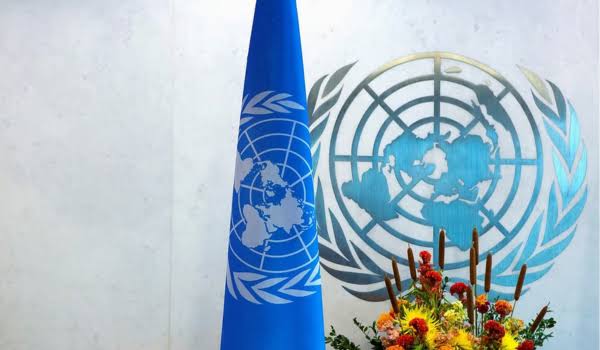
With the 2030 deadline for achieving the Sustainable Development Goals (SDGs) drawing closer, the world is making progress at an uneven pace, according to the latest United Nations Sustainable Development Goals Report 2026. The report reveals that only 36 per cent of assessable SDG targets are currently on track, while nearly half are progressing too slowly and 15 per cent have either stalled or moved backwards, underscoring the urgent need for accelerated global action.
The report highlights that despite multiple global challenges, significant achievements have been recorded over the past decade. More than 110 million additional children and young people are attending school compared to 2015, while new HIV infections have fallen by nearly 40 per cent since 2010. Access to electricity has expanded rapidly, bringing power to around 92 per cent of the global population, and internet connectivity has reached approximately 68 per cent of people worldwide, creating new opportunities for education, business and digital inclusion.
However, the report warns that progress remains far from sufficient to meet the ambitious goals set by the international community. Around 757 million people continue to live in extreme poverty, and billions still lack access to safe drinking water, sanitation and adequate hygiene facilities. Hunger remains a persistent concern, with conflicts, climate change and economic instability disrupting food systems and threatening livelihoods across several regions.
Climate change continues to be one of the biggest barriers to sustainable development. Rising global temperatures, extreme weather events, biodiversity loss and environmental degradation are increasing risks for vulnerable populations while placing additional pressure on governments already struggling with economic and social challenges. The report stresses that climate resilience and sustainable development must advance together if countries are to achieve meaningful long-term progress.
Another major concern highlighted in the report is the widening financing gap. Developing countries face an estimated annual shortfall of around four trillion US dollars needed to achieve the SDGs by 2030. The United Nations has called for stronger international cooperation, increased investments, debt relief measures and reforms in the global financial system to enable developing nations to finance sustainable development programmes more effectively.
The report also points to encouraging examples where focused investments and policy interventions have delivered measurable results. Improvements in maternal and child health, renewable energy adoption, digital access and education demonstrate that sustained commitment and collaboration can generate positive outcomes even in challenging circumstances. The UN has urged governments to replicate these success stories and scale up proven solutions across sectors.
As world leaders prepare for key international discussions on sustainable development, the United Nations has reiterated that achieving the 2030 Agenda remains possible, provided countries act with greater urgency and ambition. The organisation has called for stronger partnerships among governments, businesses, financial institutions and civil society to bridge funding gaps, accelerate implementation and ensure that development efforts leave no one behind.






Comments are closed