


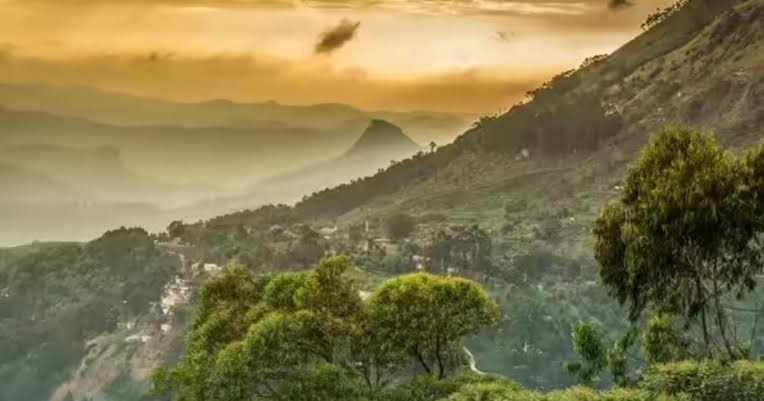
Climate change could significantly alter the ecological landscape of Tamil Nadu’s Western Ghats by 2050, according to a recent scientific study that warns of major shifts in forest habitats across one of the world’s most important biodiversity hotspots. Rising temperatures, changing rainfall patterns, and increasing climate variability are expected to transform large stretches of the region, replacing dense evergreen and deciduous forests with more drought-tolerant thorn vegetation.
The research, conducted by the Centre for Climate Change and Disaster Management at Anna University and published in the journal Scientific Reports, examined the future suitability of habitats for key forest types in the Western Ghats under projected climate conditions up to 2050. Using advanced climate modelling techniques and species distribution analysis, researchers assessed how changing environmental conditions could affect forest ecosystems in the coming decades.
The findings indicate a substantial decline in suitable habitat for tropical evergreen and deciduous forests. Evergreen forests are projected to lose nearly 249 square kilometres of suitable area, while deciduous forests could shrink by more than 720 square kilometres. In contrast, thorn forests, which are better adapted to hotter and drier conditions, are expected to expand by nearly 969 square kilometres. This shift points to a broader ecological transformation rather than a simple reduction in forest cover.
Researchers note that the Western Ghats play a critical role in regulating regional climate, supporting biodiversity, sustaining river systems, and maintaining ecological balance across southern India. Any significant alteration in forest composition could therefore have far-reaching consequences for wildlife, water resources, and local communities that depend on these ecosystems.
The study highlights that rising average temperatures and changing precipitation patterns are the primary drivers behind these projected habitat shifts. Areas currently supporting moisture-rich evergreen forests may become less suitable in the future, while drier conditions could encourage the spread of thorny vegetation. The changes are expected to be particularly noticeable in districts such as Erode, Dindigul, Coimbatore, and parts of the Nilgiris region.
Scientists warn that such transformations could negatively impact biodiversity by reducing habitats for several plant and animal species that rely on dense forest ecosystems. Changes in vegetation patterns may also affect carbon storage capacity, making forests less effective in mitigating climate change. Additionally, altered forest landscapes could increase vulnerability to wildfires, invasive species, and ecological degradation.
To address these risks, researchers have recommended a range of adaptation measures, including climate-resilient forest management, restoration of degraded landscapes, invasive species control, improved fire management practices, and large-scale afforestation using native species. Community participation and long-term ecological monitoring have also been identified as essential components of conservation planning.
Experts believe that proactive intervention can help reduce the impact of climate change on the Western Ghats and preserve the region’s rich biodiversity. The study underscores the urgent need for science-based conservation strategies to ensure that one of India’s most valuable ecological treasures remains resilient in the face of a changing climate.







Comments are closed