

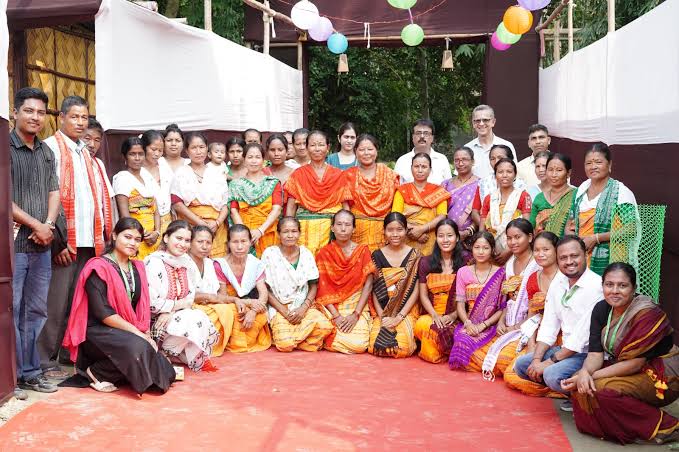
PepsiCo India has inaugurated a new Eri silk Development Hub in Chengnoi village, Nalbari district, Assam, to help rural women improve their livelihoods through traditional weaving, modern technology, skills training and better market access.
Launched under the company’s RevolutioNari initiative in partnership with Mrida Heart ’N’ Soil Foundation, the hub aims to connect more households with the Eri silk value chain and create sustainable income opportunities.The hub has already connected 25–30 households to Eri silk production, compared with just two earlier. It has also trained 30 women in different stages of the value chain.
The facility houses 10 solar-powered spinning machines and two looms. According to the partners, the new technology has increased yarn production to 2.5 times its previous level. Jacquard-attached looms will also help artisans create detailed designs, with three product lines now ready for commercial opportunities.
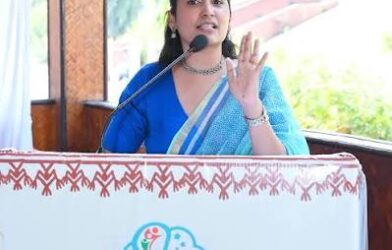
Eri silk has a long history in Nalbari and is traditionally practised by the Bodo community. The initiative seeks to preserve this local craft while addressing labour-intensive production methods and limited market opportunities.Yashika Singh, Chief Corporate Affairs Officer and Sustainability Head at PepsiCo India and South Asia, said the initiative aims to empower women with skills, confidence and opportunities to shape their futures. She added that the hub combines local knowledge with technology, training and market access to make traditional livelihoods more economically viable.
The broader RevolutioNari initiative has reached more than 3,510 women through awareness and community mobilisation programmes and trained over 100 women across five livelihood trades.
The programme also supports formal handloom registration and financial inclusion. Twenty-five households have received Pehchan Cards and Yarn Passbooks, which help eligible weavers access applicable yarn subsidies. Participants may also seek collateral-free MUDRA loans ranging from ₹50,000 to ₹5 lakh.
Arun Nagpal, Co-Founder and Director of Mrida Group, said blockchain technology would provide end-to-end traceability, helping products reach premium customers and potentially improve women’s earnings.
The Chengnoi hub is the first example of a village-based development model. The next phase will focus on strengthening market connections and expanding the initiative to neighbouring communities. The long-term impact will depend on sustained sales, market demand and continued participation by local women.

Comments are closed