

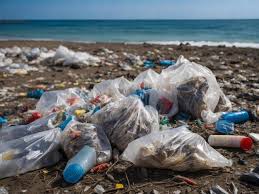
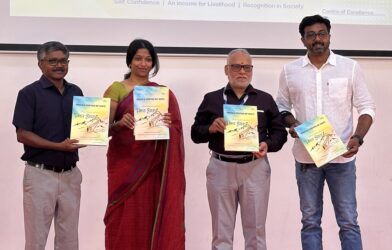
On the occasion of Earth Day 2026, Sattva Group, in collaboration with Knowledge Realty Trust and rePurpose Global, unveiled the Karnataka Zero Waste Initiative—an ambitious, multi-year programme aimed at tackling coastal waste and promoting sustainable waste management practices across the state.
The initiative is designed to address the rising environmental concerns along Karnataka’s 320-kilometre coastline, where plastic waste accounts for nearly 60% of total litter. By focusing on structured and community-driven waste management systems, the programme seeks to create long-term environmental and social impact while improving local ecosystems.
Planned over a three-year period, the initiative will connect more than 80,000 households to formal waste management systems and bring around 50 coastal villages under organized waste handling frameworks. The effort emphasizes waste segregation, collection, and processing at the source to reduce environmental leakage and improve efficiency in handling waste.
A key component of the programme is its focus on livelihoods. Around 200 waste workers are expected to benefit through stable employment, skill development opportunities, and improved working conditions. This approach aims to create a more dignified and secure waste management ecosystem while strengthening local economies.
In addition to social impact, the initiative targets significant environmental outcomes. It is expected to enable the recovery and responsible processing of nearly 4.5 million kilograms of waste. This will help reduce pollution entering marine ecosystems and contribute to cleaner coastal regions across Karnataka.
Officials involved in the project emphasized the importance of combining environmental protection with community participation. The programme places strong emphasis on awareness campaigns and behavioural change, encouraging residents to adopt sustainable practices such as waste segregation and responsible disposal. This grassroots involvement is expected to play a crucial role in ensuring the long-term success of the initiative.
From a strategic perspective, the initiative also reflects the growing role of environmental, social, and governance (ESG) considerations in business operations. Knowledge Realty Trust highlighted that unmanaged coastal waste poses risks not only to the environment but also to climate resilience and long-term asset value. By supporting integrated waste systems, the organization aims to strengthen sustainability across its operational ecosystem.





Comments are closed