


Chintamani in Karnataka is set to receive a four-year water security programme aimed at addressing its growing dependence on groundwater and improving the management of local water resources.
The initiative, involving WELL Labs, Groww Foundation and the Chintamani City Municipal Council, will focus on reducing pressure on borewells, restoring lakes and strengthening water infrastructure in the city.
Chintamani relies heavily on groundwater to meet its water needs. Programme-related information indicates that municipal borewells in the area reach depths of around 1,000 to 1,600 feet, while water shortages become more severe during summer, when a significant number of wells reportedly run dry. Electricity costs associated with pumping groundwater also place a considerable burden on the municipal water supply system.
The programme will address these challenges through four key interventions. These include the restoration of local lakes to improve water retention, reduce pollution and support groundwater recharge; and the conversion of two public parks into Sponge Parks designed to absorb and retain rainwater.


Rainwater harvesting and groundwater recharge structures are also planned across public campuses. In addition, the initiative will work towards improving piped water supply and connectivity in two urban-poor communities, where access to reliable water remains a concern.
The programme will also provide technical support for integrated urban water management, with the aim of helping local authorities plan and manage water resources more effectively.
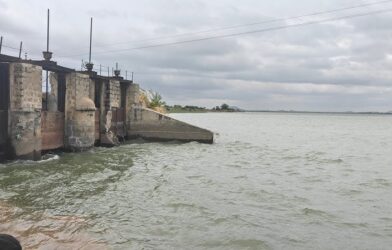
Lake restoration is expected to form an important part of the work, with Mallapalli Lake among the water bodies identified for rejuvenation. Other lakes, including Gopasandra, are also being considered for future interventions.
The initiative builds on research and field assessments conducted in the region over the past three years. Its four-year implementation will involve local authorities and partner organisations working on water management and related infrastructure.
The programme comes amid increasing pressure on groundwater resources in several Indian towns, where dependence on borewells, seasonal shortages and the deterioration of local water bodies have made long-term urban water planning an urgent concern.

Comments are closed